
J. Biodivers. Conservation 10(2): 223-229
2026
ISSN: 2457-0761 (online)
Debangshu Agrahari1, J Lavanya2, Brajesh Kumar Sahu3 and Deepak Patel4*
1Department of Dravyaguna Vijnana, Jeevak Ayurved Medical College & Hospital Research Centre, Chandauli, Uttar Pradesh, India
2Department of Botany, Visakha Govt Degree College W (A) Visakhapatnam, Andhra Pradesh, India
3Department of Botany, P.M. College of Excellence Government College Vidisha, Madhya Pradesh, India
4Department of Chemistry, A.P.B Government (P.G.) College Agastyamuni, Rudraprayag, Uttarakhand, India
*Email-Id: Patel.deepak81@gmail.com; ORCID: 0009-0002-3126-0684
DOI: https://doi.org/10.5281/zenodo.21063734
Article Details: Received: 2026-05-18 | Accepted: 2026-06-30 | Available online: 2026-06-30
Licensed under a Creative Commons Attribution 4.0 International License
Abstract: Oxidative stress plays a major role in a variety of chronic diseases, which has sparked a growing interest in plant-based antioxidants as safer alternatives to synthetic options. For the present study, authors have chosen Coccinia grandis because of its long history in traditional medicine for managing diabetes and inflammation, along with its easy availability and the fact that its fruit’s antioxidant properties haven’t been thoroughly scientifically validated yet. Authors set out to evaluate the free radical scavenging activity of n-hexane, ethanolic and aqueous extracts from C. grandis fruit using the DPPH assay (0.125-1.0 mg/ml). All extracts demonstrated a dose-dependent inhibition, with the n-hexane extract showing the most potent activity (84.49-87.87%), closely followed by the ethanolic extract (83.08–87.21%). The aqueous extract, on the other hand, displayed lower activity (66.63–71.14%). These findings not only support the traditional use of C. grandis but also highlights its potential for nutraceutical applications, suggesting that further isolation of compounds and in-vivo studies are warranted.
Keywords: Chronic disease, in-vivo study, nutraceutical, traditional medicine
Introduction
Free radicals are these super reactive little troublemakers that our bodies churn out all the time as a result of normal metabolic activities (Chandimali et al., 2025). They also come from outside sources like pollution, radiation and other stressors we encounter in our environment (Phaniendra et al., 2014). When our bodies produce more of these reactive oxygen and nitrogen species than our natural antioxidant defenses can handle, we end up in a state known as oxidative stress (Altanam et al., 2025). This can wreak havoc on our cells, damaging lipids, proteins and even DNA (Jomova et al., 2023). Such oxidative damage has been linked to a whole host of chronic and degenerative diseases, including heart disease, diabetes, cancer, neurodegenerative disorders and even premature aging (Korovesis et al., 2023). Because of this, finding ways to neutralize free radicals through antioxidants has become a hot topic in biomedical and pharmaceutical research. One popular method for screening the antioxidant potential of plant extracts and other natural materials is the DPPH (2,2-diphenyl-1-picrylhydrazyl) assay, which is quick, reliable and widely accepted tools for the preliminary screening of antioxidant potential in plant extracts and other natural materials (Kedare and Singh, 2011; Baliyan et al., 2022). Historically, synthetic antioxidants like butylated hydroxyanisole (BHA), butylated hydroxytoluene (BHT) and tertiary butylhydroquinone (TBHQ) have been widely used in the food, cosmetic and pharmaceutical industries to help slow down oxidative degradation (Ousji and Sleno, 2020; Ren et al., 2025). However, there’s been a growing body of evidence pointing to the potential toxic, carcinogenic and liver-damaging effects of these synthetic compounds. Coupled with an increasing consumer demand for clean-label and naturally sourced products, this has sparked a global movement towards exploring plant-based antioxidants as safer and more sustainable options (Oliveira et al., 2025). Natural antioxidants, mainly found in phenolic compounds, flavonoids, carotenoids, vitamins and other secondary metabolites, are not only seen as safer for long-term use but also come with the bonus of being sourced from renewable and often underutilized plant resources (Zehiroglu and Sarikaya, 2019).
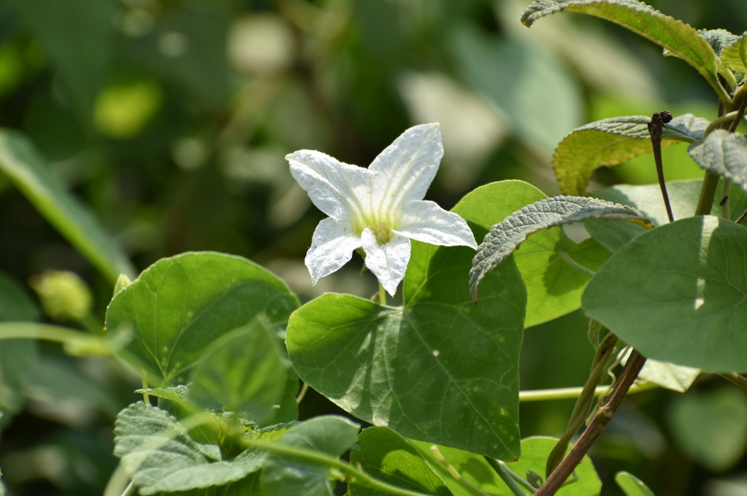
Figure 1: Flower and leaves of C. grandis
When it comes to plants that pack a punch in terms of health benefits and nutrition, Coccinia grandis, better known as ivy gourd or “kundru,” really stands out. This perennial climbing plant, part of the Cucurbitaceae family, has a significant role in traditional Indian medicine and is a popular vegetable throughout South Asia (Holstein, 2015). Different parts of the plant like its leaves, stem and fruit have been used for ages to help manage diabetes, jaundice and inflammation (Putra et al., 2024). Previous studies have highlighted its hypoglycemic, hepatoprotective and anti-inflammatory properties (Meenatchi et al., 2016). However, despite this impressive background, the fruit of C. grandis hasn’t been thoroughly explored for its antioxidant potential across various extracts. This makes it an exciting and relevant candidate for detailed in-vitro evaluation. By keeping this in mind, the current study aims to delve into the in-vitro free radical scavenging and antioxidant properties of n-hexane, ethanolic and aqueous extracts from C. grandis fruit, utilizing the DPPH assay. The goal is to pinpoint which extract(s) show the most impressive activity and to link these findings to the potential phytochemical components that might be driving these effects. We anticipate that the results of this study will not only support the traditional uses of C. grandis fruit but also provide initial data that can steer future phytochemical and pharmacological research. Looking forward, this information could pave the way for creating standardized herbal antioxidant formulations, nutraceutical products and functional food ingredients sourced from C. grandis. Additionally, they could promote the sustainable cultivation and use of this readily available, cost-effective plant resource as a practical alternative to synthetic antioxidant additives.
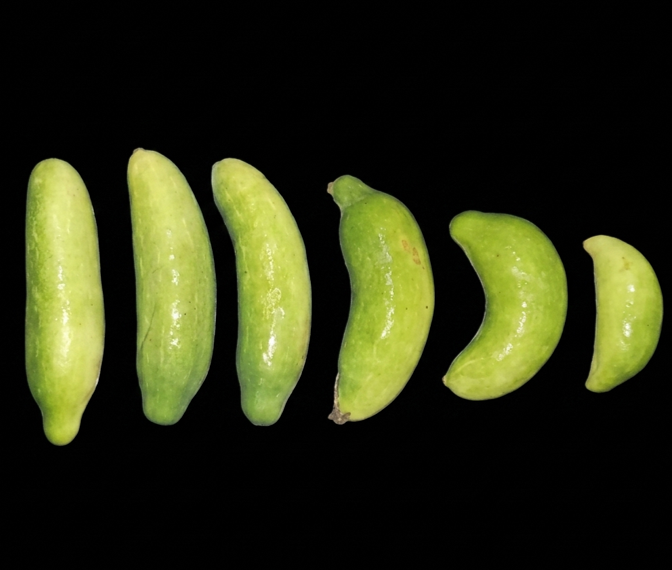
Figure 2: Collected C. grandis fruits for DPPH assay
Methodology
The present study combines field surveys, lab experiments and a thorough review of existing literature on C. grandis. We gathered relevant peer-reviewed articles, review papers, ethnobotanical surveys and pharmacological studies from scientific databases like Google Scholar, Scopus, PubMed and Web of Science. We used key search terms such as “Coccinia grandis”, “traditional uses” and “potent scavenging bioactive compounds” to guide our search. The field surveys took place in between April and May 2026, where we identified plant specimens with the help of the flora guide by Saxena and Brahmam (1995) (Figure 1). Additionally, we conducted experimental assay to confirm the presence of phytoconstituents and evaluate the antioxidant activity of C. grandis fruits using the DPPH radical scavenging assay.
Antioxidant DPPH assay
% Inhibition= A0 – As /A0× 100
Where, A₀ is the absorbance of the control and Aₛ is the absorbance of the sample after blank correction
Results and discussion
The present study assessed the DPPH free radical scavenging activity of n-hexane, ethanolic and aqueous extracts from C. grandis fruit at concentrations ranging from 0.125 to 1.0 mg/ml. The results showed a clear dose-dependent increase in percentage inhibition across all extracts (Table 1; Figure 3). The n-hexane extract stood out with the highest scavenging activity, ranging from 84.49% to 87.87%, closely followed by the ethanolic extract, which showed values between 83.08% and 87.21%. In contrast, the aqueous extract demonstrated lower activity, with percentages between 66.63% and 71.14%. This suggests that the antioxidant compounds in C. grandis fruit are mainly non-polar to moderately polar, likely including carotenoids, lipophilic pigments, and semi-polar flavonoids, which are extracted more effectively by n-hexane and ethanol compared to water. Interestingly, even at the lowest concentration tested, all extracts showed significant inhibition (>65%), with the n-hexane and ethanolic extracts surpassing 83%. This indicates a strong inherent antioxidant capacity at low doses. However, the smaller increase in activity observed between 0.5 and 1.0 mg/ml for these two extracts hints at a nearing saturation point of available DPPH radicals. Overall, these findings underscore the impact of solvent polarity on antioxidant yield and highlight the potential of C. grandis fruit, especially its n-hexane and ethanolic extracts, as valuable natural sources of antioxidants for future nutraceutical and pharmaceutical uses.
Table 1: Antioxidant potential of C. grandis fruits extracts
Concentration | Inhibition (%) | ||
n-Hexane | Ethanolic | Aqueous | |
0.125 | 84.49 | 83.08 | 66.63 |
0.25 | 85.43 | 85.33 | 67.19 |
0.5 | 87.40 | 86.65 | 69.54 |
1.0 | 87.87 | 87.21 | 71.14 |
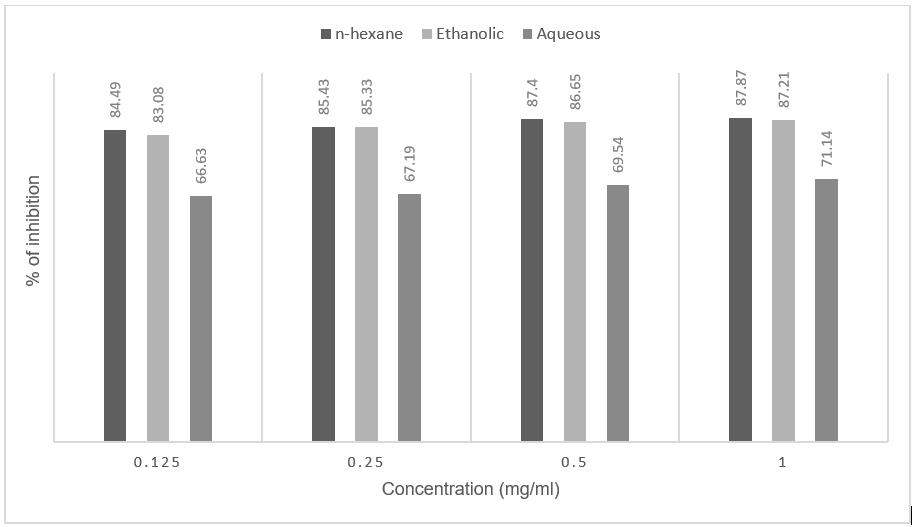
Figure 3: Antioxidant activity of C. grandis fruit extracts
Conclusion
The results from the DPPH assay reveal that extracts from C. grandis fruit have impressive antioxidant activity that increases with dosage. Notably, the n-hexane (84.49 – 87.87%) and ethanolic (83.08–87.21%) extracts show significantly greater free radical scavenging abilities compared to the aqueous extract (66.63–71.14%). This indicates that the fruit’s antioxidant compounds are mainly non-polar to moderately polar, making them more effectively extracted with n-hexane and ethanol rather than water. The strong activity seen even at lower concentrations backs up the traditional use of C. grandis and points to its potential as a natural substitute for synthetic antioxidants. To further support these findings, additional phytochemical and in-vivo studies are suggested, which could pave the way for its use in nutraceutical and pharmaceutical products.
References
Altanam SY, Darwish N and Bakillah A. (2025). Exploring the interplay of antioxidants, inflammation, and oxidative stress: mechanisms, therapeutic potential, and clinical implications. Diseases. 13(9): 309. DOI: 10.3390/diseases13090309
Baliyan S, Mukherjee R, Priyadarshini A, Vibhuti A, Gupta A, Pandey RP and Chang CM. (2022). Determination of antioxidants by DPPH radical scavenging activity and quantitative phytochemical analysis of Ficus religiosa. Molecules. 27(4): 1326. DOI: 10.3390/molecules27041326
Chandimali N, Bak SG, Park EH, Lim HJ, Won YS, Kim EK, Park SI and Lee SJ. (2025). Free radicals and their impact on health and antioxidant defenses: a review. Cell Death Discovery. 11: 19. DOI: 10.1038/s41420-024-02278-8
De Oliveira I, Santos-Buelga C, Aquino Y, Barros L and Heleno SA. (2025). New frontiers in the exploration of phenolic compounds and other bioactives as natural preservatives. Food Bioscience. 68: 106571. DOI: 10.1016/j.fbio.2025.106571
Dintu KP, Sharma BP, Singh G, Sahu BK, Sunita K, Jena N and Khanduri A. (2026). Assessment of radical scavenging capacity in Aegle marmelos (L.) Correa fruits using DPPH assays. Journal of Biodiversity and Conservation. 10(2): 130-136.
Holstein N. (2015). Monograph of Coccinia (Cucurbitaceae). PhytoKeys. (54): 1–166. https://doi.org/10.3897/phytokeys.54.3285
Jena N, Vimala, Singh B, Patra A, Sharma BP, Hossain E and Kumar S. (2025). Methods for ethnobotanical data collection, phytochemistry, antioxidant, anthelmintic and antimicrobial activities for pharmacological evaluation of medicinal plants. Journal of Biodiversity and Conservation. 9(2): 87-107.
Jomova K, Raptova R, Alomar SY, Alwasel SH, Nepovimova E, Kuca K and Valko M. (2023). Reactive oxygen species, toxicity, oxidative stress and antioxidants: chronic diseases and aging. Archives of Toxicology. 97(10): 2499-2574.
Kedare SB and Singh RP. (2011). Genesis and development of DPPH method of antioxidant assay. Journal of Food Science and Technology. 48(4): 412-422.
Korovesis D, Rubio-Tomas T and Tavernarakis N. (2023). Oxidative stress in age-related neurodegenerative diseases: an overview of recent tools and findings. Antioxidants. 12(1): 131. DOI: 10.3390/antiox12010131
Meenatchi P, Purushothaman A and Maneemegalai S. (2016). Antioxidant, antiglycation and insulinotrophic properties of Coccinia grandis (L.) in vitro: possible role in prevention of diabetic complications. Journal of Traditional and Complementary Medicine. 7(1): 54-64.
Phaniendra A, Jestadi DB and Periyasamy L. (2014). Free radicals: properties, sources, targets, and their complication in various diseases. Indian Journal of Clinical Biochemistry. 30(1): 11-26.
Putra IMWA, Fakhrudin N, Nurrochmad A and Wahyuono S. (2024). Antidiabetic effect of combined extract of Coccinia grandis and Blumea balsamifera on streptozotocin-nicotinamide induced diabetic rats. Journal of Ayurveda Integrative Medicine. 15(4): 101021. DOI: 10.1016/j.jaim.2024.101021
Ren J, Li Z, Li X, Yang L, Bu Z, Wu Y, Li Y, Zhang S and Meng X. (2025). Exploring the mechanisms of the antioxidants BHA, BHT and TBHQ in hepatotoxicity, nephrotoxicity and neurotoxicity from the perspective of network toxicology. Foods. 14(7): 1095. DOI: 10.3390/foods14071095
Saxena Ho and Brahmam M. (1995). The Flora of Orissa, Volume 2. Regional Research Laboratory, Bhubaneswar and Orissa Forest Development Corporation Limited, Bhubaneswar, Odisha, India.
Zehiroglu C and Sarikaya SBO. (2019). The importance of antioxidants and place in today’s scientific and technological studies. Journal of Food Science and Technology. 56(11): 4757-4774.

Dedicated to advancing biodiversity conservation and the sustainable management of natural resources for current and future generations.
Copyright © 2026 Journal of Biodiversity And Conservation || Designed By Antler’s Solution