
J. Biodivers. Conservation 10(2): 205-211
2026
ISSN: 2457-0761 (online)
N Anil Kumar1, Nithaniyal Stalin A2, Vipan Kumar Garg3, Brajesh Kumar Sahu4 and Bhagwati Prashad Sharma5*
1Department of Botany, SYTR Government Degree College, Madakasira, affiliated to S. K. University, Ananthapuram, Andhra Pradesh, India
2Botanical Survey of India, Western Regional Centre, 7, Koregaon Road, Sangamvadi, Pune, Maharashtra, India
3HM, Department of School Education, Ghs Rajomajra Sangrur Punjab, India
4Department of Botany, P.M. College of Excellence, Government College Vidisha, Madhya Pradesh, India
5Department of Botany, Sidharth Government College, Nadaun, Himachal Pradesh, India
*Email-Id: bp76sharma@gmail.com; ORCID: 0000-0002-8134-9807
DOI: https://doi.org/10.5281/zenodo.20961087
Article Details: Received: 2026-05-12 | Accepted: 2026-06-27 | Available online: 2026-06-27
Licensed under a Creative Commons Attribution 4.0 International License
Abstract: Antioxidants work their magic by neutralizing free radicals. They do this by donating electrons or hydrogen atoms, which helps to prevent oxidative damage to our cells and slows down the development of various degenerative diseases. Present study looked into the antioxidant capabilities of n-hexane, ethanolic and aqueous extracts from the fruits of Cordia dichotoma G. Forst. All the extracts demonstrated a concentration-dependent ability to scavenge radicals by using the DPPH free radical scavenging assay, testing concentrations from 0.125 to 1.0 mg/ml. The aqueous extract stood out with the highest inhibition rates (74.17-90.87%), followed by the ethanolic extract (68.12-89.69%) and the n-hexane extract (62.91-84.47%). The peak inhibition for all extracts occurred at 1.0 mg/ml, with the aqueous extract showing the most impressive activity at 90.87%. These results suggest that the fruit extracts of C. dichotoma, particularly the polar fractions, have notable antioxidant potential, highlighting their potential as a natural source of antioxidants and these findings could further aid in the development of novel pharmaceutical and nutraceutical formulations.
Keywords: Nutraceutical, oxidative damage, pharmaceutical, radical scavenging assay
Introduction
Free radicals and reactive oxygen species (ROS) are constantly produced in our bodies as natural byproducts of metabolism (Bardaweel et al., 2018; Forrester et al., 2018). While a small amount of ROS plays a crucial role in cellular signaling and supporting our immune system, too much of it can lead to oxidative stress (Kozlov et al., 2024; Fang et al., 2025). This condition is linked to a range of chronic and degenerative diseases, such as cancer, diabetes, heart problems, neurodegenerative disorders and even premature aging (Leyane et al., 2022; Tavakolpournegari et al., 2025). Although our bodies have built-in antioxidant defenses, they often fall short when faced with excessive oxidative damage, especially during times of environmental stress, poor nutrition or illness. As a result, there’s a growing interest in finding external antioxidants, especially those from natural sources, that can help boost our body’s defenses and reduce oxidative harm (Kalogerakou and Antoniadou, 2024; Gulcin, 2025; Manful et al., 2025).
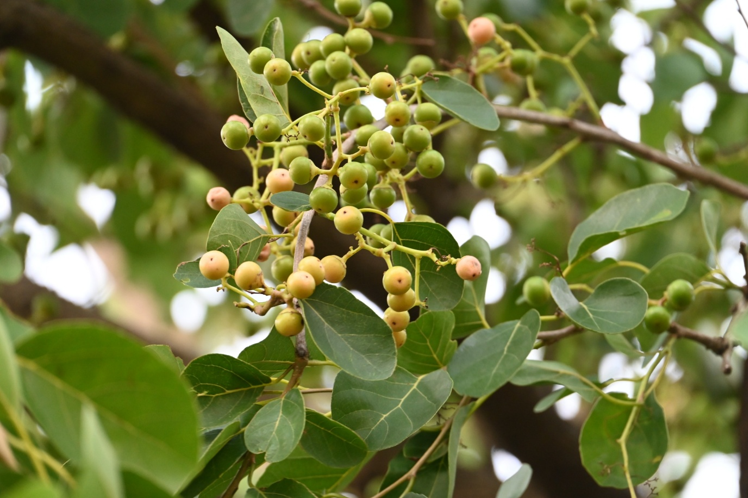
Figure 1: Fruits of C. dichotoma
Plants have always been a treasure trove of bioactive compounds, like phenolics, flavonoids, tannins and alkaloids, many of which boast impressive antioxidant abilities (Riaz et al., 2023). Unlike synthetic antioxidants such as butylated hydroxyanisole (BHA) and butylated hydroxytoluene (BHT), which have raised eyebrows due to potential toxicity concerns, antioxidants derived from plants are generally seen as safer and more sustainable options (Ren et al., 2025). This has sparked a wave of research into medicinal and edible plants to uncover their potential for scavenging free radicals, with the goal of finding new sources of natural antioxidants for use in nutraceuticals, pharmaceuticals and food preservation. Cordia dichotoma G. Forst., commonly known as “Lasoda” or “Indian cherry” is a medium-sized tree found throughout the tropical and subtropical regions of Asia (Jamkhande et al., 2013; Constantine et al., 2023). Different parts of the plant, including its fruits, bark and leaves have been used in traditional folk and Ayurvedic medicine to tackle respiratory issues, urinary problems, ulcers and inflammation (Stalin, 2021; Raghuvanshi et al., 2022). The fruits are especially popular, enjoyed both as food and as a traditional remedy (Hussain et al., 2020). Previous studies have hinted at a variety of secondary metabolites like flavonoids and phenolic contents in the plant that could be behind its health benefits (Raina et al., 2025). However, despite its long-standing use in traditional medicine, there’s still a lack of thorough scientific research on the phytochemical makeup and antioxidant potential of C. dichotoma fruit extracts made with solvents of different polarities. In the present study, authors set out to explore the phytochemical makeup and assess the in vitro antioxidant capabilities of n-hexane, ethanolic and aqueous extracts from C. dichotoma fruits, using the DPPH free radical scavenging assay. Since the polarity of solvents plays a crucial role in how effectively different types of phytochemicals are extracted, authors conducted a comparative analysis of non-polar, moderately polar and polar extracts. This approach aimed to pinpoint the most effective extract and lay the groundwork for considering this often-overlooked fruit as a valuable natural source of antioxidants.
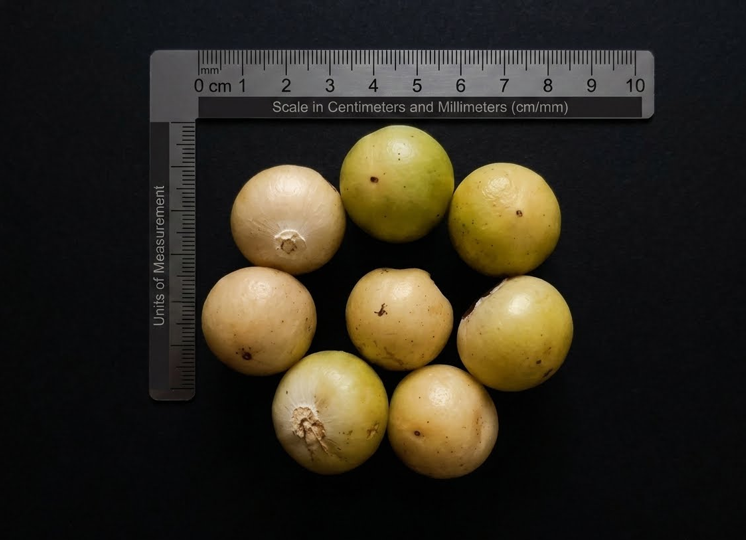
Figure 2: Collected C. dichotoma fruits for DPPH assay
Methodology
The present study combines field surveys, lab experiments and a thorough review of existing literature on C. dichotoma. Authors gathered relevant peer-reviewed articles, review papers, ethnobotanical surveys and pharmacological studies from scientific databases like Google Scholar, Scopus, PubMed and Web of Science. Authors used key search terms such as “Cordia dichotoma”, “medicinal uses” and “potent scavenging bioactives compounds” to guide our search. The field survey took place from March to May 2026, where authors identified plant specimens with the help of the flora guide by Saxena and Brahmam (1995). Additionally, they conducted experimental assay to confirm the presence of phytoconstituents and evaluate the antioxidant activity of C. dichotoma fruits using the DPPH radical scavenging assay.
Antioxidant DPPH assay
% Inhibition= A0 – As /A0× 100
Where, A₀ is the absorbance of the control and Aₛ is the absorbance of the sample after blank correction
Results and discussion
The DPPH free radical scavenging assay showed that all three extracts from C. dichotoma fruits displayed antioxidant activity that increased with concentration, ranging from 0.125 to 1.0 mg/ml. Among them, the aqueous extract stood out with the highest inhibition rates (74.17-90.87%), followed closely by the ethanolic extract (68.12–89.69%) and then the n-hexane extract (62.91-84.47%) (Table1; Figure 3). All extracts peaked in their activity at 1.0 mg/ml. This pattern – aqueous > ethanolic > n-hexane can be explained by the superior ability of polar solvents to extract phenolic and flavonoid compounds, which are known for their capacity to donate hydrogen or electrons to neutralize the DPPH radical. In contrast, the n-hexane extract’s lower activity is likely due to its higher levels of lipophilic components, which are less effective at scavenging radicals. These results highlight the significant antioxidant potential of C. dichotoma fruits, especially their polar extracts, reinforcing their traditional uses and suggesting they could be a valuable natural source of antioxidants for future research and healthcare.
Table 1: Antioxidant potential of C. dichotoma fruits extracts using DPPH assay
Concentration | Inhibition (%) | ||
n-Hexane | Ethanolic | Aqueous | |
0.125 | 62.91 | 68.12 | 74.17 |
0.25 | 66.58 | 68.36 | 81.87 |
0.5 | 73.93 | 78.19 | 83.64 |
1.0 | 84.47 | 89.09 | 90.87 |
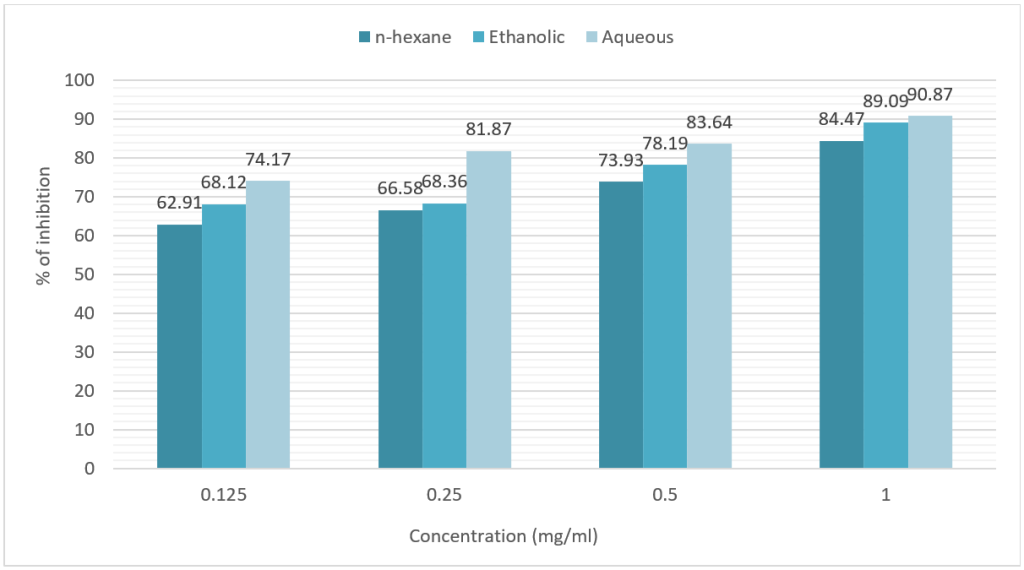
Figure 3: Antioxidant activity of C. dichotoma fruit
Conclusion
The current investigation has shown that extracts from C. dichotoma fruit have antioxidant activity that increases with concentration. The DPPH free radical scavenging assay revealed that the aqueous extract was the most effective, achieving an impressive 90.87% activity at 1.0 mg/ml, followed closely by the ethanolic extract at 89.69% and the n-hexane extract at 84.47%. These results suggest that polar solvents are better at extracting the antioxidant compounds from C. dichotoma fruits, pointing to their potential as a natural, safe and easily accessible source of antioxidants. Looking ahead, future research should aim to quantify the total phenolic and flavonoid content, determine IC50 values and confirm these findings with additional antioxidant assays like FRAP (Ferric Reducing Antioxidant Power), ABTS (2,2′-azinobis-3-ethylbenzothiazoline-6-sulfonic acid) or reducing power tests. Moreover, further investigations into isolating and characterizing the active compounds, along with in vivo studies, are essential to fully understand the therapeutic potential of C. dichotoma fruits for use in nutraceutical and pharmaceutical fields.
References
Bardaweel S, Gul M, Alzweiri M, Ishaqat A, Salamat HA and Bashatwah RM. (2018). Reactive oxygen species: the dual role in physiological and pathological conditions of the human body. The Eurasian Journal of Medicine. 50(3): 193-201.
Constantine SL, Viteri KP, Vizuete K and Debut A. (2023). A review on traditional uses and applications of Cordia spp. (Boraginaceae) as a natural polymer in the development of food and pharmaceutical products. Ethnobotany Research and Applications. 25: 19. 1-32.
Dintu KP, Sharma BP, Singh G, Sahu BK, Sunita K, Jena N and Khanduri A. (2026). Assessment of radical scavenging capacity in Aegle marmelos (L.) Correa fruits using DPPH assays. Journal of Biodiversity and Conservation. 10(2): 130-136.
Fang S, Jiang M, Jiao J, Zhao H, Liu D, Gao D, Wang T, Yang Z and Yuan H. (2025). Unravelling the ROS-inflammation-immune balance: a new perspective on aging and disease. Aging and Disease. 17(1): 305-325.
Forrester SJ, Kikuchi DS, Hernandes MS, Xu Q and Griendling KK. (2018). Reactive oxygen species in metabolic and inflammatory signaling. Circulation Research. 122(6): 877-902.
Gulcin I. (2025). Antioxidants: a comprehensive review. Archives of Toxicology. 99(5): 1893-1997.
Hussain N, Kakoti BB, Rudrapal M, Rahman Z, Rahman M, Chutia D and Sarwa KK. (2020). Anti-inflammatory and antioxidant activities of Cordia dichotoma Forst. Biomedical and Pharmacology Journal. 13(4): 2093-2099.
Jamkhande PG, Barde SR, Patwekar SL and Tidke PS. (2013). Plant profile, phytochemistry and pharmacology of Cordia dichotoma (Indian cherry): a review. Asian Pacific Journal of Tropical Biomedicine. 3(12): 1009-1016.
Jena N, Vimala, Singh B, Patra A, Sharma BP, Hossain E and Kumar S. (2025). Methods for ethnobotanical data collection, phytochemistry, antioxidant, anthelmintic and antimicrobial activities for pharmacological evaluation of medicinal plants. Journal of Biodiversity and Conservation. 9(2): 87-107.
Kalogerakou T and Antoniadou M. (2024). The role of dietary antioxidants, food supplements and functional foods for energy enhancement in healthcare professionals. Antioxidants. 13(12): 1508. DOI: 10.3390/antiox13121508
Kozlov AV, Javadov S and Sommer N. (2024). Cellular ROS and antioxidants: physiological and pathological role. Antioxidants. 13(5): 602. DOI: 10.3390/antiox13050602
Leyane TS, Jere SW and Houreld NN. (2022). Oxidative stress in ageing and chronic degenerative pathologies: molecular mechanisms involved in counteracting oxidative stress and chronic inflammation. International Journal of Molecular Sciences. 23(13): 7273. DOI: 10.3390/ijms23137273
Raghuvanshi D, Sharma K, Verma R, Kumar D, Kumar H, Khan A, Valko M, Alomar SY, Alwasel SH, Nepovimova E and Kuca K. (2022). Phytochemistry and pharmacological efficacy of Cordia dichotoma G. Forst. (Lashuda): a therapeutic medicinal plant of Himachal Pradesh. Biomedicine & Pharmacotherapy. 153: 113400. DOI: 10.1016/j.biopha.2022.113400.
Raina S, Sheikh ZN, Bakshi P, Alamri S, Siddiqui MH, Islam Rather KU and Ashraf K. (2025). Functional evaluation of cis-vaccenic acid in Cordia dichotoma with tissue-specific biochemical insights. Scientific Reports. 15(1): 37943. DOI: 10.1038/s41598-025-17906-1
Ren J, Li Z, Li X, Yang L, Bu Z, Wu Y, Li Y, Zhang S and Meng X. (2025). Exploring the mechanisms of the antioxidants BHA, BHT and TBHQ in hepatotoxicity, nephrotoxicity and neurotoxicity from the perspective of network toxicology. Foods. 14(7): 1095. DOI: 10.3390/foods14071095
Riaz M, Khalid R, Afzal M, Anjum F, Fatima H, Zia S, Rasool G, Egbuna C, Mtewa AG, Uche CZ and Aslam MA. (2023). Phytobioactive compounds as therapeutic agents for human diseases: a review. Food Science & Nutrition. 11(6): 2500-2529.
Saxena HO and Brahmam M. (1995). The Flora of Orissa, Volume 2. Regional Research Laboratory, Bhubaneswar and Orissa Forest Development Corporation Limited, Bhubaneswar, Odisha, India.
Stalin NA. (2021). Cordia dichotoma G. Forst. Boraginaceae. In: Franco FM (Ed.). Ethnobotany of the Mountain Regions of Southeast Asia. Springer: Berlin/Heidelberg, Germany, pp. 323-331. DOI: 10.1007/978-3-030-38389-3_75
Tavakolpournegari A, Moosavi SS, Matinahmadi A, Zayani Z and Bidooki SH. (2025). Exploring how reactive oxygen species contribute to cancer via oxidative stress. Stresses. 5(4): 69. DOI: 10.3390/stresses5040069

Dedicated to advancing biodiversity conservation and the sustainable management of natural resources for current and future generations.
Copyright © 2026 Journal of Biodiversity And Conservation || Designed By Antler’s Solution