
Journal of Biodiversity and Conservation 10(3): 43-49
2026
ISSN: 2457-0761 (online)
Sumit Chouhan1, Sohan Lal2, Rajesh Kumar Verma3, Avtar Singh4, Debangshu Agrahari5 Rajkumari Supriya Devi6 and Smitaa Basole7*
1Regional Research Institute of Unani Medicine, Bhadrak (Central Council Research of Unani Medicine, New Delhi), Odisha, India
2School of Studies in Botany, Shaheed Mahendra Karma Vishwavidyalaya, Bastar, Jagdalpur, Chhattisgarh, India
3Department of Dravyaguna, Naiminath Ayurvedic Medical College and Research Centre, Agra, Uttar Pradesh, India
4Department of Dravyaguna, Guru Nanak Ayurvedic Medical College and Hospital, Barkandi Road, Sri Muktsar Sahib, Punjab, India
5Department of Dravyaguna Vijnana, Jeevak Ayurved Medical College and Hospital Research Centre, Chandauli, Uttar Pradesh, India
6Biodiversity and Conservation Lab., Ambika Prasad Research Foundation, Odisha, India
7Department of Botany, Balbhim College, Beed, Maharashtra, India
*Email-Id: sgbasole@gmail.com; ORCID: https://orcid.org/0009-0007-7892-5264
DOI: https://doi.org/10.5281/zenodo.21486564
Article Details: Received: 2026-06-26 | Accepted: 2026-07-22 | Available online: 2026-07-23
Licensed under a Creative Commons Attribution 4.0 International License
Abstract: Respiratory diseases, including cough, asthma, chronic bronchitis, tuberculosis and upper respiratory tract infections, are among the leading causes of morbidity and mortality in India. Justicia adhatoda has been extensively used in many traditional folk medicines for the treatment of respiratory ailments. The present review compiles available information on the ethnomedicinal uses, morphology, habitat, phytochemical constituents and pharmacological significance of J. adhatoda with special emphasis on respiratory healthcare. Relevant information was collected through an extensive review of published literature and supported by ethnobotanical observations. The findings revealed that the leaves are the most frequently used as fresh juice or decoction for the treatment of cough, common cold, bronchial asthma, chronic bronchitis, whooping cough and other respiratory disorders. The therapeutic efficacy of the plant is primarily attributed to the quinazoline alkaloids vasicine and vasicinone, along with flavonoids, phenolics and saponins, which exhibit bronchodilatory, expectorant, mucolytic, antitussive, anti-inflammatory, antioxidant and antimicrobial activities. The strong correlation between traditional knowledge and modern pharmacological evidence demonstrates the potential of J. adhatoda as an important herbal resource for respiratory disease management. Further clinical and pharmacological studies are needed to validate its therapeutic efficacy and standardize its use.
Key words: Respiratory diseases, plant decoction, phytochemicals, vasicine, vasicinone
Introduction
Respiratory diseases are a major public health concern in India, contributing substantially to morbidity, mortality, and healthcare expenditure. The most common respiratory disorders include chronic obstructive pulmonary disease (COPD), asthma, tuberculosis, respiratory tract infections, allergic rhinitis, bronchiectasis, interstitial lung diseases and lung cancer (Singh and Sharma, 2018). Their rising prevalence is associated with air pollution, tobacco smoking, biomass fuel combustion, occupational exposure, rapid urbanization and climate change (Pillai, 2025). The Indian Chest Society SWORD survey further reported that respiratory diseases account for a significant proportion of outpatient consultations, with higher incidence during winter and periods of increased air pollution. Airborne particulate matter, industrial emissions, vehicular exhaust and indoor smoke are among the major environmental factors contributing to the onset and exacerbation of these diseases. Justicia adhatoda L. (Acanthaceae) is one of the most important medicinal plants traditionally used in India for the treatment of respiratory ailments. In Ayurveda, Siddha, Unani and various folk healthcare systems, its leaves are widely used to treat cough, cold, bronchitis, asthma, whooping cough, sore throat and other respiratory tract infections (Kumar et al., 2010; Singh, 2024; Marndi et al., 2024). Tribal and rural communities commonly prepare leaf decoctions, fresh leaf juice, herbal teas, or syrups, often combined with honey or ginger, to relieve persistent cough, promote expectoration and improve breathing (Dhankhar et al., 2011). The medicinal properties of the plant are primarily attributed to the alkaloids vasicine and vasicinone, which exhibit bronchodilatory, expectorant, mucolytic, antitussive, and anti-inflammatory activities (Barth et al., 2015). Experimental and clinical studies have demonstrated its effectiveness in reducing cough frequency, enhancing mucus clearance, and alleviating symptoms of chronic bronchitis, bronchial asthma and upper respiratory tract infections (Soudagar and Anupama, 2025; Kute et al., 2025; Kumbhar et al., 2025). Considering the increasing burden of respiratory diseases and the therapeutic significance of J. adhatoda, the present study aims to document its ethnomedicinal uses, phytochemical constituents and habitat, thereby revealing its potential as an important medicinal resource for respiratory healthcare.
Methodology
The study was conducted using both literature survey and field survey approaches. A literature review was undertaken to collect information on the taxonomy, distribution, habitat, ethnomedicinal uses, phytochemical constituents, pharmacological activities and clinical significance of Justicia adhatoda (Kumar, 2025). Relevant data were compiled from peer-reviewed research articles, books, book chapters, review papers and authentic online databases. Field surveys were carried out in selected rural and tribal areas of Athagarh, Odisha to document the traditional uses of J. adhatoda for the treatment of respiratory ailments. Information was gathered through semi-structured interviews and informal discussions with traditional healers, herbal practitioners, elderly villagers and local inhabitants near Mahanadi River areas during 2024-2025 (Devi et al., 2024). Data on local names, plant parts used, methods of preparation, dosage, mode of administration and ailments treated were recorded. The collected information was verified by comparing field observations with published literature to ensure accuracy and authenticity.
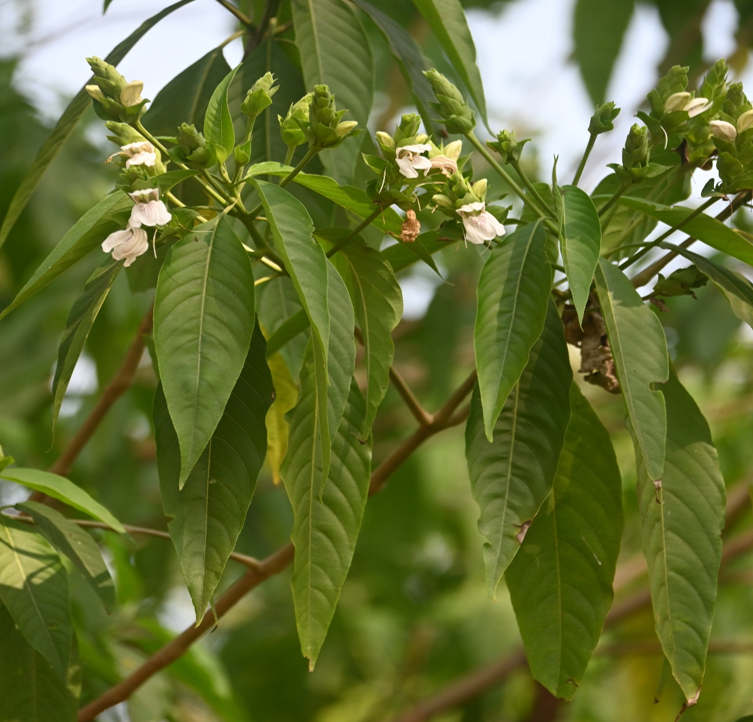
Figure 1: Justicia adhatoda near village area of Athagarh
Results and discussion
Morphology & Habitat: J. adhatoda is an evergreen, perennial medicinal shrub that typically grows to a height of 1–3 m. The stem is woody, much-branched and covered with smooth greyish-brown bark. Leaves are simple, opposite, lanceolate to elliptic-lanceolate, 10-20 cm long, dark green, with entire margins and a characteristic bitter taste. The flowers are white with purple or violet streaks, arranged in dense, short axillary or terminal spikes (Figure 1). It is most often observed in the village areas of forest edges where people cultivate it for common therapeutic uses mostly related to respiratory problems.
Ethnomedicinal uses and phytochemical constituents: The ethnobotanical survey and literature review revealed that J. adhatoda is one of the most widely used medicinal plants in India for the management of respiratory disorders (Table 1). The survey revealed the used of leaves predominantly as a decoction or taken in addition to other herbs to get rid of whooping cough, bronchial asthma and in treatment of tuberculosis.
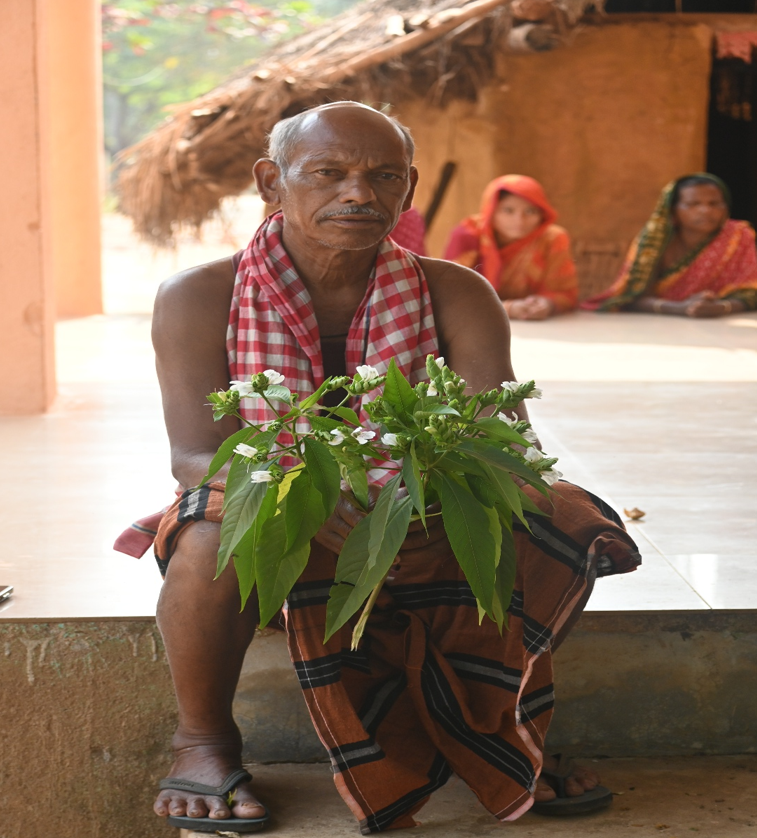
Figure 2: Local inhabitant (village) informing about its medicinal uses
The study coincides also with some of the literature procured data where the leaves are the principal medicinal part, most commonly administered as fresh leaf juice, decoction or syrup, either alone or in combination with other herbal ingredients. These preparations are traditionally used for treating cough, common cold, bronchial asthma, chronic bronchitis, whooping cough, tuberculosis and general respiratory ailments. The review showed a strong correlation between the traditional uses of J. adhatoda and its phytochemical composition. The quinazoline alkaloids vasicine and vasicinone were consistently reported as the major bioactive constituents responsible for its therapeutic efficacy (Gupta and Yadav 2026; Kumbhar et al., 2025). These compounds possess bronchodilatory, expectorant, mucolytic, antitussive and anti-inflammatory properties. Fresh leaf juice and decoction were the most frequently reported formulations for relieving cough and facilitating mucus expulsion, whereas decoctions and polyherbal formulations were preferred for chronic respiratory conditions such as asthma and bronchitis. Besides alkaloids, flavonoids, phenolic compounds and saponins also contribute to the medicinal potential of J. adhatoda (Swarnabala et al., 2023). These phytochemicals exhibit antioxidant, antimicrobial, anti-inflammatory and immunomodulatory activities, which may help alleviate respiratory infections, reduce airway inflammation and enhance host immune responses (Narasimhaji et al., 2023). The use of leaf decoctions for common cold and as a supportive remedy in tuberculosis may therefore be attributed to the synergistic action of these secondary metabolites.
Table 1: Traditional uses of J. adhatoda and associated phytochemical compounds
Ethnomedicinal uses | Phytochemical compounds | Source(s) | ||
Fresh leaf juice or decoction is taken in cough | Vasicine, vasicinone | Kumar et al., (2010); Dhankhar et al., (2011); Barth et al., (2015); Shoaib (2021); Gupta and Yadav (2026) | ||
Leaf decoction taken as to get rid of common cold | Vasicine, flavonoids, phenolics | Kumar et al., (2010); Marndi et al., (2024); Kumbhar et al., (2025) | ||
Leaf decoction or fresh juice or with mix herbal formulations in Bronchial asthma | Vasicine, vasicinone, quinazoline alkaloids | Soudagar & Anupama (2025); Narasimhaji et al., (2023); Kute et al., (2025); Gupta and Yadav (2026); Present study | ||
Leaves decoction taken in chronic bronchitis | Vasicine, vasicinone | Soudagar and Anupama (2025); Singh (2024); Swarnabala et al., (2023) | ||
Leaves syrup or decoction taken in whooping cough | Vasicine, vasicinone |
| ||
Leaves decoction in traditional supportive therapy of Tuberculosis | Alkaloids, flavonoids |
| ||
Leaves decoction | Vasicine, vasicinone, flavonoids, saponins | Singh (2024); Swarnabala et al., (2023); Gupta and Yadav (2026) |
Conclusion
Justicia adhatoda is an important medicinal shrub with a long history of use in traditional healthcare systems for the management of respiratory disorders. The present review demonstrates a strong correlation between its ethnomedicinal applications and the presence of bioactive phytochemicals, particularly vasicine and vasicinone, which exhibit bronchodilatory, expectorant, mucolytic, antitussive and anti-inflammatory activities. In addition, flavonoids, phenolics, and saponins contribute antioxidant, antimicrobial and immunomodulatory properties that further support its therapeutic potential. The convergence of traditional knowledge with experimental and clinical evidence validates the use of J. adhatoda in the treatment of cough, bronchial asthma, chronic bronchitis, common cold and other respiratory ailments. Further phytochemical investigations, pharmacological studies, and well-designed clinical trials are needed to standardize its formulations, establish dosage and safety profiles and facilitate the development of evidence-based herbal medicines for respiratory healthcare.
References
Barth A, Hovhannisyan A, Jamalyan K and Narimanyan M. (2015). Antitussive effect of a fixed combination of Justicia adhatoda, Echinacea purpurea and Eleutherococcu ssenticosus extracts in patients with acute upper respiratory tract infection: A comparative, randomized, double-blind, placebo-controlled study. Phytomedicine. 22: 1195-1200.
Chanu WS and Sarangthem K. (2014). Phytochemical constituents of Justicia adhatoda Linn. found in Manipur. Indian Journal of Plant Sciences. 3(2): 19-21.
Devi RS, Satapathy KB, Manjula BL, Sharma BP and Kumar S. (2024). Evaluation of Ethnopharmacological Potential of Oenanthe javanica DC. Annals of Biology. 40(1):135-139.
Dhankhar S, Kaur R, Ruhil S, Balhara M, Dhankhar S and Chhillar AK. (2011). A review on Justicia adhatoda: A potential source of natural medicine. African Journal of Plant Science. 5(11): 620-627.
Gupta SK and Yadav G. (2026). A Comprehensive Review on Phytochemistry and Pharmacological Activities of Adhatoda vasica in Respiratory Disorders. International Journal of Pharmaceutical Sciences. 4(5): 7213-7230.
Kumar KPS, Bhowmik D, Tiwari PC and Kharel R. (2010). Indian traditional herbs Adhatoda vasica and its Medicinal application. Journal of Chemical and Pharmaceutical Research. 2(1): 240-245.
Kumar S. (2025). Data collection from literature for biological sciences, medicinal plants research, ethnobotany, and pharmacology: a methodological overview. Journal of Biodiversity and Conservation. 9(2): 167-169.
Kumbhar MR, Pailwan AS, Mhetre SS and Kharmate SV. (2025). Exploring the pharmacognostic, phytochemical and therapeutic profile of Justicia adhatoda. International Journal for Research Trends and Innovation. 10(11): a181-a186.
Kute S, Kotkar A, Urmilesh J, Manshuk AG and Navale SU. (2025). Adulsa (Justicia adhatoda): its Medicinal Properties, Uses, and Pharmacological Potential. International Journal of Pharmaceutical Sciences. 4: 476-482.
Marndi S, Walling T, Sampatrao TS and Kumar S. (2024). Justicia adhatoda L.: A medicinal shrub of India. In: Singh B, Jogdang SK and Sharma S. (ed.). Medicinal Acanthaceae of India. Vol. I. Ambika Prasad Research Foundation, Odisha, India.
Narasimhaji CV, Kumar V, Shanumugam M, Singh R, Singh A, Marimuthu G, Raju I, Srikanth N and Acharya R. (2023). Justicia adhatoda L. vasicin and vasicinone as bioactive phytochemical compounds: Isolation, characterization, and computational studies. Results in Chemistry. 6:101127.
Pillai RKP. (2025). Respiratory Diseases in India and the Roles of Government and Public Health Authorities for Its Control. Indian Journal of Respiratory Care. 14(4):268–270.
Shoaib A. (2021). A systematic ethnobotanical review of Adhatoda vasica (L.), Nees. Cellular and Molecular Biology. 67(4): 248-263.
Singh S. (2024). Exploring the Medicinal Marvels of Justicia adhatoda. Innovation and Integrative Research Center Journal. 2(6): 196-201.
Singh V and Sharma BB. (2018). Respiratory disease burden in India: Indian chest society SWORD survey. Lung India. 35:459-60.
Soudagar UD and Anupama. (2025). A clinical exploration of Justicia adhatoda in chronic bronchitis and bronchial asthma. International Journal of Homoeopathic Sciences. 9(4): 897-900.
Swarnabala S, Abarnadevika A, Ariharasivakumar G, Moganthan R and Sneha KK. (2023). Review on phytochemical and pharmacological profile of Justicia adathoda(L.). International Journal of Research and Analytical Reviews. 10(2): 1-32.

Dedicated to advancing biodiversity conservation and the sustainable management of natural resources for current and future generations.
Copyright © 2026 Journal of Biodiversity And Conservation || Designed By Antler’s Solution