
Journal of Biodiversity and Conservation 10(3): 106-112
2026
ISSN: 2457-0761 (online)
Manjula S
Department of Botany, Government First Grade College, Channapatna, Bangalore University, Bengaluru, Karnataka, India
Email-id: manjularaj1983@gmail.com; ORCID: https://orcid.org/0009-0004-0739-402X
DOI: https://doi.org/10.5281/zenodo.22179159
Article Details: Received: 2026-08-17 | Accepted: 2026-08-29 | Available online: 2026-08-31
Licensed under a Creative Commons Attribution 4.0 International License
Abstract: Gymnema sylvestre (Retz.) R.Br. ex Sm. is an important medicinal climber of India with a long history of use in Ayurveda and indigenous healthcare systems. The species has attracted considerable scientific interest because of its traditional applications, particularly in the management of diabetes and obesity, and its diverse phytochemical composition. However, information on its traditional uses, bioactive constituents and reported pharmacological properties remains scattered across ethnobotanical, pharmacognostic and pharmacological literature. Therefore, the present study was undertaken to compile and synthesize available information on the ethnomedicinal significance, pharmacological potential and bioactive compounds of G. sylvestre, with particular emphasis on its importance in traditional healthcare and future therapeutic research. Published information was systematically compiled with respect to plant parts used, traditional medicinal applications, reported pharmacological activities and major bioactive constituents. The available evidence indicates that roots, leaves and whole plant are traditionally used for managing diabetes, obesity, malaria, snakebite, dental caries, urinary disorders, gastrointestinal ailments, respiratory problems and several other health conditions. Leaves are particularly important in traditional preparations for diabetes and obesity. Pharmacological investigations have reported antiarthritic, anticancer, antihyperlipidemic, anti inflammatory, antimicrobial and antioxidant activities. The plant contains biologically significant constituents, including gymnemic acids, gymnemagenin, gymnemasaponins, gymnemasides, triterpene saponins, dammarane and oleanane-type compounds, hentriacontane and stigmasterol. The convergence of traditional knowledge and experimental evidence highlights G. sylvestre as a valuable medicinal plant for further pharmacological and phytochemical investigation. Nevertheless, standardized extracts, safety evaluation, mechanistic studies and well designed clinical investigations are required to establish therapeutic efficacy and facilitate evidence based utilization. Conservation and sustainable harvesting are equally important to ensure the long term availability of this culturally and medicinally significant species.
Keywords: Antidiabetic activity, ethnobotany, gymnemasaponins
Introduction
Medicinal plants constitute an important component of traditional healthcare systems and continue to provide valuable resources for the discovery of bioactive compounds and development of therapeutic agents. Gymnema sylvestre (Retz.) R.Br. ex Sm., (Figure 1) is a medicinal climber of considerable importance in the Indian traditional healthcare system. The species has a long history of use in Ayurveda and indigenous medicine, particularly for metabolic and digestive disorders. Its traditional applications include the management of diabetes, obesity, glycosuria, urinary disorders, dyspepsia, constipation, jaundice, hemorrhoids, respiratory ailments and other health conditions (Nadkarni, 1986; Sastry, 1994; Tiwari et al., 2014). The leaves are particularly recognized for their traditional use in diabetes and obesity, while roots and other plant parts are also employed for several ailments (Kanetkar et al., 2007; Tiwari et al., 2014). Such diverse medicinal applications indicate the continuing ethnomedicinal significance of G. sylvestre and warrant systematic documentation of its traditional and therapeutic relevance. The medicinal importance of G. sylvestre is further supported by its diverse phytochemical profile and reported biological activities. Important constituents documented from the plant include gymnemic acids, gymnemagenin, gymnemasaponins, gymnemasides, triterpene saponins, dammarane- and oleanane-type compounds, hentriacontane and stigmasterol (Sinsheimer et al., 1970; Foster, 2002; Khramov et al., 2008; Tiwari et al., 2014).
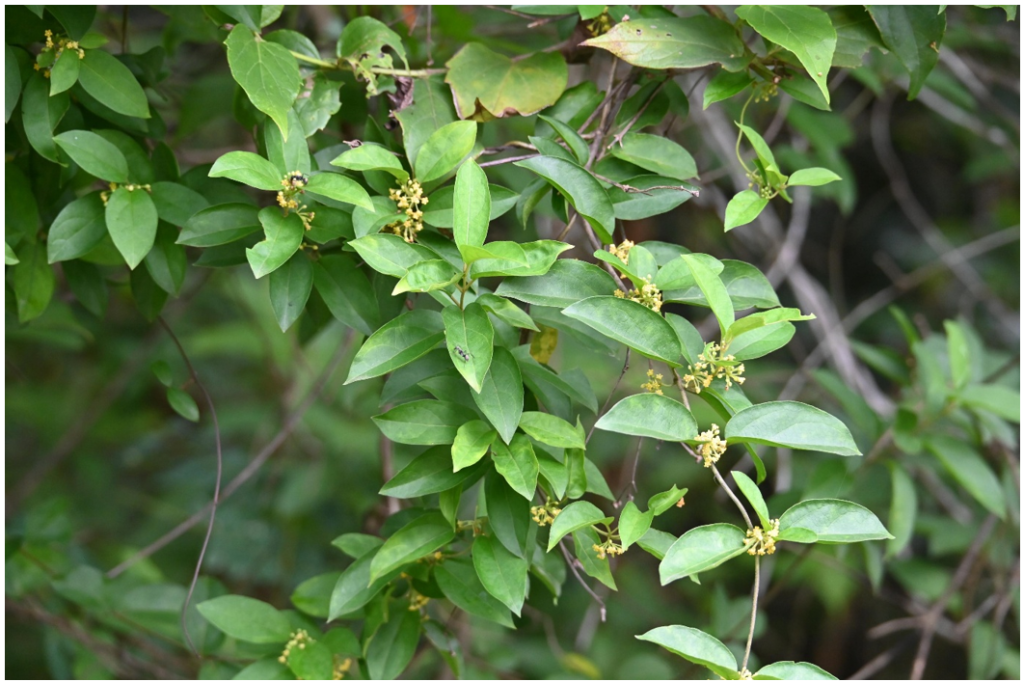
Figure 1: Leaves and flowers of G. sylvestre
Experimental investigations have reported several pharmacological properties, including antioxidant, antimicrobial, anti inflammatory, antiarthritic, anticancer and antihyperlipidemic activities (Jain et al., 2007; Malik et al., 2010; Saumendu et al., 2010; Kang et al., 2012; Tiwari et al., 2014). The species is also used by several indigenous communities of India, including the Sahariya, Junglee Irula, Kol and Nayak communities, for the treatment of diabetes, gastric and urinary disorders, asthma, eye problems and other ailments (Khan et al., 2019). The convergence of traditional knowledge, phytochemical diversity and experimental pharmacological evidence makes G. sylvestre an important candidate for continued scientific investigation. Despite the considerable information available on its medicinal properties, evidence concerning the traditional uses, plant parts utilized, bioactive constituents and reported pharmacological activities remains dispersed across different sources. Documentation is therefore necessary to consolidate this knowledge, identify relationships between traditional applications and experimentally reported biological activities, and highlight areas requiring further investigation. The present documentation was undertaken to provide an integrated account of the ethnomedicinal uses, pharmacological potential and major bioactive constituents of G. sylvestre, with emphasis on its significance as a traditional medicinal resource of India. Such synthesis may provide a useful foundation for future phytochemical, pharmacological and clinical research while also emphasizing the importance of conserving the species and associated indigenous knowledge for sustainable utilization.
Methodology
The present study is based on a literature survey and systematic compilation of published information on Gymnema sylvestre (Retz.) R.Br. ex Sm. Available scientific and ethnobotanical literature is examined to document its traditional medicinal uses, plant parts utilized, reported pharmacological activities and major bioactive constituents. Relevant information is extracted from published books, review articles and research papers cited in the available literature (Sahu et al., 2026). The compiled data are categorized into three major groups: (i) traditional medicinal uses according to plant part, (ii) reported pharmacological activities and (iii) identified or reported bioactive compounds. The information is subsequently organized into tabular form with corresponding literature sources to facilitate comparative assessment and scientific interpretation. The documented evidence was synthesized to highlight the ethnomedicinal significance, pharmacological potential and research relevance of G. sylvestre (Kumar, 2025).
Results and discussion
The literature based documentation revealed substantial ethnomedicinal, pharmacological and phytochemical significance of Gymnema sylvestre (Retz.) R.Br. ex Sm. Roots, leaves and whole plant were reported to have diverse traditional applications. The leaves were particularly prominent, with reported uses in the management of diabetes, obesity, dental caries and as a blood purifying agent, while roots were traditionally used for diabetes, malaria and snakebite. Historical Ayurvedic sources also documented applications of the whole plant for glycosuria, urinary disorders, digestive problems, jaundice, respiratory ailments and other conditions. Indigenous communities from different regions of India similarly utilized the species for diabetes, gastric and urinary disorders, asthma and other ailments. The compiled pharmacological evidence indicated several reported biological activities, including antiarthritic, anticancer, antihyperlipidemic, anti inflammatory, antimicrobial and antioxidant properties. The phytochemical documentation further identified diverse bioactive constituents, notably gymnemic acids, gymnemagenin, gymnemasaponins, gymnemasides and triterpene saponins, together with dammarane- and oleanane-type compounds, hentriacontane and stigmasterol. The findings demonstrate that G. sylvestre possesses considerable traditional medicinal value supported by a diverse phytochemical profile and a broad range of experimentally reported pharmacological activities.
Table 1: Traditional medicinal uses of different plant parts of Gymnema sylvestre
Plant parts | Uses | Source(s) |
Roots | Useful to treat diabetes, malaria and snakebites. | Tiwari et al., (2014) |
Leaves | Used for the treatment of obesity. | Tiwari et al., (2014) |
Leaves | Useful to cure dental caries. | Devi and Ramasubramaniaraja, (2010) |
Leaves | Used as blood purifier agent. | Evans et al., (2002) |
Leaves | Useful in managing diabetes.
| Tiwari et al., (2014) |
Leaves | Helpful to treat obesity. | Kanetkar et al., (2007) |
Whole plant parts | It is mentioned in Shushruta as a remedy for glycosuria and urinary disorder. | Nadkarni, (1986) |
Whole plant parts | In Ayurveda, it is prescribed for the treatment of dyspepsia, constipation, jaundice, hemorrhoids, renal, vesicle calculi, cardiopathy, asthma, bronchitis, amenorrhea, and leukoderma. | Sastry, (1994) |
Whole plant parts | Various parts of this plant are used by different tribes in India such as the Sahariya tribe of Madhya Pradesh, Junglee Irulas of Nilgiri hills, Kol tribe of Chhattisgarh, and the Nayaks of Karnataka, to treat mainly asthma, eye and gastric problems, parkinsonism, urinary problems and diabetes. | Khan et al., (2019) |
Table 2: Pharmacological activities of Gymnema sylvestre
Pharmacological potential(s) | Source(s) |
Antiarthritic activity | Tiwari et al., (2014) |
Anticancer activity | Jain et al., (2007) |
Antihyperlipidemic activity | Prabhu and Vijayakumar, (2014) |
Anti inflammatory activity | Kokate et al., (2022) |
Antimicrobial activity | Saumendu et al., (2010) |
Antioxidant activity | Kang et al., (2012) |
Hypercholesterolemia | Malik et al., (2010) |
Table 3: Major bioactive compounds and phytochemical constituents
Bioactive compound(s) | Source(s) |
Dammarane | Foster, (2002) |
Gymnemagenin | Tiwari et al., (2014) |
Gymnemasaponins | Foster, (2002) |
Gymnemasides | Foster, (2002) |
Gymnemic acids | Foster, (2002) |
Hentriacontane | Sinsheimer et al., (1970) |
Oleanane | Khramov et al., (2008) |
Stigmasterol | Sinsheimer et al., (1970) |
Triterpene saponins | Foster, (2002) |
Conclusion
Gymnema sylvestre (Retz.) R.Br. ex Sm. represents a valuable medicinal climber of India with substantial ethnomedicinal importance and a diverse phytochemical profile. The documented traditional uses, particularly for diabetes, obesity, urinary and gastrointestinal disorders, are complemented by reported antioxidant, antimicrobial, anti inflammatory, antiarthritic and other pharmacological activities. The presence of gymnemic acids, gymnemagenin, gymnemasaponins and other bioactive constituents further supports its research significance. The present documentation consolidates dispersed information on traditional uses, pharmacological potential and phytochemical constituents, providing a useful basis for future investigations. However, systematic phytochemical standardization, toxicological evaluation, mechanistic studies and well designed clinical research are required to establish its therapeutic efficacy and safety. Conservation and sustainable utilization of G. sylvestre, together with responsible documentation and protection of associated traditional knowledge, are essential for its long term medicinal and scientific value.
References
Devi PB and Ramasubramaniaraja R. (2010). Pharmacognostical and antimicrobial screening of Gymnema sylvestre R.Br, and evaluation of Gurmar herbal tooth paste and powder, composed of Gymnema sylvestre R.Br, extracts in dental caries. International Journal of Pharma and Bio Sciences. 1(3): 1-15.
Evans WC, Trease GE and Evans D. (2002). Trease and Evans Pharmacognosy, 15th edition. Saunders Elsevier, London, England.
Foster S. (2002). Alternative Medicine Reviews Monographs. Thorne Research Inc. Pp: 205-207.
Jain KS, Kathiravan MK, Somani RS and Shishoo CJ. (2007). The biology and chemistry of hyperlipidemia. Bioorganic and Medicinal Chemistry. 15(14): 4674-4699.
Kanetkar P, Singhal R and Kamat M. (2007). Gymnema sylvestre: A Memoir. Journal of Clinical Biochemistry and Nutrition. 41(2): 77-81.
Kang MH, Lee MS, Choi MK, Min KS and Shibamoto T. (2012). Hypoglycemic activity of Gymnema sylvestre extracts on oxidative stress and antioxidant status in diabetic rats. Journal of Agricultural and Food Chemistry. 60(10): 2517-2524.
Khan F, Sarker MMR, Ming LC, Mohamed IN, Zhao C, Sheikh BY, Tsong HF and Rashid MA. (2019). Comprehensive review on phytochemicals, pharmacological and clinical potentials of Gymnema sylvestre. Frontiers in Pharmacology. 10: 1223. https://doi.org/10.3389/fphar.2019.01223
Khramov VA, Spasov AA and Samokhina MP. (2008). Chemical composition of dry extracts of Gymnema sylvestre leaves. Pharmaceutical Chemistry Journal. 42: 29-31.
Kokate CK, Purohit AP and Gokhale SB. (2022). Pharmacognosy, 55th edition. Nirali Prakashan, Pune, Maharashtra, India.
Kumar S. (2025). Data collection from literature for biological sciences, medicinal plants research, ethnobotany, and pharmacology: a methodological overview. Journal of Biodiversity and Conservation. 9(2): 167-169.
Malik JK, Manvi FV, Nanjware BR, Dwivedi DK, Purohit P and Chouhan S. (2010). Anti-arthritic activity of leaves of Gymnema sylvestre R.Br. leaves in rats. Der Pharmacia Lettre. 2(1): 336-341.
Nadkarni KM. (1986). “Gymnema sylvestre,” in Indian Materia Medica with Ayurvedic Unani, Vol. I. Popular Prakashan, Bombay, India. Pp: 596-599.
Prabhu S and Vijayakumar S. (2014). Antidiabetic, hypolipidemic and histopathological analysis of Gymnema sylvestre (R. Br) leaves extract on streptozotocin induced diabetic rats. Biomedicine and Preventive Nutrition. 4(3): 425-430.
Sahu JK, Sureshrao A, Majhi S, Dimri R, Sharma BP, Tailor V, Kumar S and Patra A. (2026). Methodology for Writing Review Articles in Biological Sciences: A Systematic and Scholarly Guide. Archives of Current Research International. 26(2): 170-182.Sastry B. S. (1994). Gymnema sylvestre. Chaukhambha, Varanasi, India: Bhav Prakash Nighantu.
Saumendu DR, Kamaljeet, Dipankar S, Singh TB and Prabha BA. (2010). In vitro antibiotic activity of various extracts of Gymnema sylvestre. International Journal of Pharmaceutical Research and Development. 2(1): 1-3.
Sinsheimer JE, Rao GS and McIlhenny HM. (1970). Constuents from Gymnema sylvestre leaves. V. isolation and preliminary characterization of the gymnemic acids. Journal of Pharmaceutical Sciences. 59(5): 622-628.
Tiwari P, Mishra BN and Sangwan NS. (2014). Phytochemical and pharmacological properties of Gymnema sylvestre: an important medicinal plant. BioMed Research International. 2014: 830285. https://doi.org/10.1155/2014/830285

Dedicated to advancing biodiversity conservation and the sustainable management of natural resources for current and future generations.
Copyright © 2026 Journal of Biodiversity And Conservation || Designed By Antler’s Solution