
Journal of Biodiversity and Conservation 10(3): 113-120
2026
ISSN: 2457-0761 (online)
Pramod Kumar Soni1, Jogdand SK2 and Saraswati Majhi3*
1Department of Dravyaguna, Shri NPA GAC, Raipur, Chhattisgarh, India
2Department of Botany. Mrs. K. S. K. College, Beed, Maharashtra, India
3Post Graduate Department of Botany, Shailabala Women’s Autonomous College, Cuttack, Odisha, India
*Email-Id: saraswatimajhi563@gmail.com; ORCID: https://orcid.org/0009-0006-5494-2441
DOI: https://doi.org/10.5281/zenodo.22230367
Article Details: Received: 2026-08-12 | Accepted: 2026-09-01 | Available online: 2026-09-02
Licensed under a Creative Commons Attribution 4.0 International License
Abstract: Diabetes mellitus is a major metabolic disorder characterized by persistent hyperglycemia resulting from impaired insulin secretion, impaired insulin action or both. The widespread presence of diabetes and the limitations of the existing therapies have stimulated interest in medicinal plants as potential sources of complementary antidiabetic agents. Dioscorea bulbifera L. (Dioscoreaceae), commonly known as air potato or aerial yam, is traditionally consumed as food and used in various systems of traditional medicine. Different parts of the plant have been traditionally used in the management of metabolic and inflammatory disorders, although the strength of evidence varies considerably among indications. Phytochemical investigations have identified several classes of bioactive constituents in D. bulbifera, including steroidal compounds, flavonoids, phenolic compounds, saponins, tannins, terpenoids and other secondary metabolites. Experimental studies suggest that extracts or isolated constituents may exhibit antihyperglycemic, antioxidant, anti-inflammatory and enzyme-inhibitory activities relevant to diabetes. Proposed mechanisms include inhibition of carbohydrate-hydrolysing enzymes, enhancement of glucose utilisation, attenuation of oxidative stress, modulation of inflammatory pathways and possible improvement of insulin sensitivity. However, the available evidence is predominantly based on in-vitro and animal studies, while well-designed clinical trials in humans remain limited. Consequently, traditional claims regarding D. bulbifera should not yet be interpreted as established clinical efficacy. This review summarizes the traditional uses, phytochemical profile, experimental evidence, possible mechanisms of antidiabetic action, safety considerations and research gaps concerning D. bulbifera in diabetes management.
Keywords: Air potato, diabetes mellitus, pharmacology, phytochemicals, oxidative stress, traditional medicine
Introduction
Diabetes mellitus is one of the most important chronic metabolic disorders worldwide. It is characterized by sustained elevation of blood glucose and is associated with disturbances in carbohydrate, lipid and protein metabolism (Garcia et al., 2020). Persistent hyperglycemia contributes to the development of microvascular and macrovascular complications, including diabetic nephropathy, retinopathy, neuropathy, cardiovascular disease and impaired wound healing (Chawla et al., 2016). The global increase in diabetes has created a continuing need for safe, affordable and effective therapeutic and preventive strategies. Conventional antidiabetic drugs, including insulin, metformin, sulfonylureas, thiazolidinediones, α-glucosidase inhibitors and newer glucose-lowering agents, can effectively control blood glucose in many patients (Gieroba et al., 2025). Nevertheless, treatment may be complicated by adverse effects, cost, inadequate adherence, progressive loss of pancreatic β-cell function or insufficient response in some individuals (Saisho, 2015). These limitations have encouraged investigation of medicinal plants and food-derived bioactive compounds as potential sources of complementary antidiabetic agents. Medicinal plants have historically played an important role in the treatment of metabolic disorders, particularly in regions where traditional medicine remains an integral component of healthcare (Tola et al., 2023). However, traditional use alone does not establish efficacy and the translation of experimental findings into clinical practice requires systematic pharmacological and clinical validation. Dioscorea bulbifera L. (Figure 1) belongs to the family Dioscoreaceae (Mathew et al., 2026). Unlike many terrestrial yams, it produces aerial bulbils, which are an important edible portion of the plant but are toxic in nature. It is distributed across tropical and subtropical regions and has been used as a food plant and in traditional medicine in parts of Africa and Asia (Kundu et al., 2021). Various ethnomedicinal applications have been reported for the leaves, bulbils, tubers and other plant parts. Interest in D. bulbifera as a possible antidiabetic plant is associated with its traditional medicinal applications and its diverse phytochemical composition. Experimental research has reported antioxidant, anti-inflammatory, antimicrobial, enzyme-inhibitory and metabolic effects from different extracts or constituents (Narzary et al., 2025). These properties provide a biological rationale for investigating its possible role in diabetes management. The present review therefore focuses on the relationship between traditional claims and scientific evidence concerning D. bulbifera in diabetes. Particular attention is given to its phytochemistry, proposed antidiabetic mechanisms, preclinical evidence, limitations of current research, safety and future research priorities.
Methodology
Relevant literature on Dioscorea bulbifera L. was collected from scientific databases, including PubMed, Scopus, Web of Science, ScienceDirect and Google Scholar, using keywords such as “Dioscorea bulbifera,” “Air potato,” “Aerial yam,” “ethnobotanical uses,” “traditional medicine,” “diabetes,” “antidiabetic activity,” “antihyperglycemic activity,” “α-amylase inhibition,” “α-glucosidase inhibition,” “phytochemical constituents,” “diosgenin” and “pharmacological activities.” Relevant original research articles, review articles, ethnobotanical studies, phytochemical investigations, pharmacological studies and traditional medicinal literature were selected. Regional floras, books and published reports documenting the distribution, traditional uses and medicinal applications of D. bulbifera were also consulted. Particular emphasis was given to studies investigating its traditional claims related to diabetes, phytochemical constituents, plant parts used, antidiabetic and antihyperglycemic activities, antioxidant and anti-inflammatory properties, carbohydrate-digesting enzyme inhibition, possible mechanisms of action and toxicity or safety concerns. Information obtained from the selected literature was critically compared, compiled and organized into thematic sections and tables to provide a systematic presentation of the traditional claims and available scientific evidence regarding the potential role of D. bulbifera in diabetes management (Kumar et al., 2025; Sahu et al., 2026).
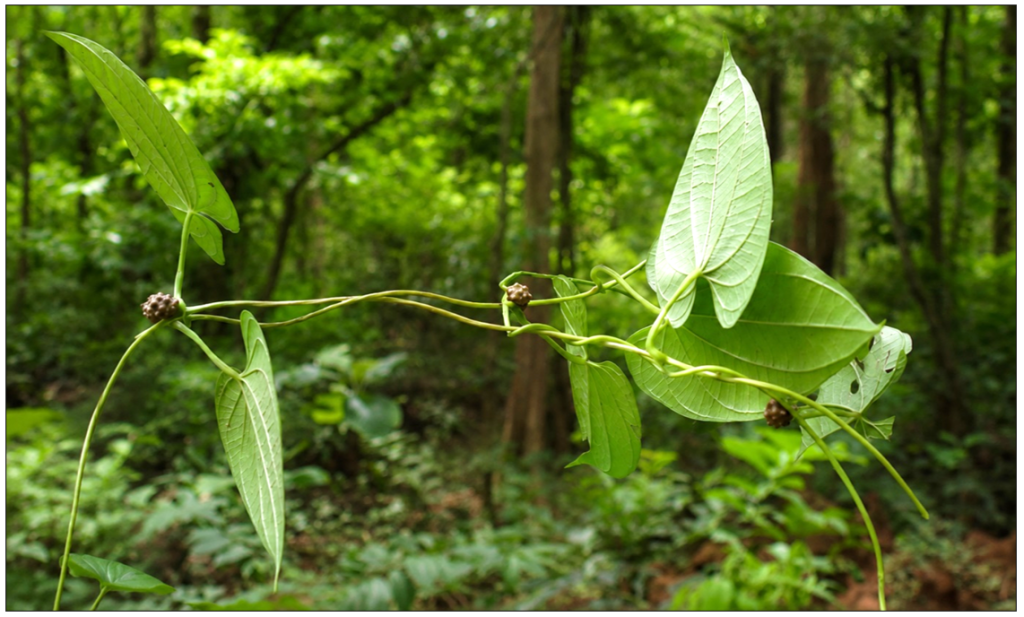
Figure 1: Twining stem of D. bulbifera showing its leaves and bulbils
Botanical description and distribution
Dioscorea bulbifera L. is a perennial climbing herb belonging to the genus Dioscorea (Haines, 1924). The species is distinctive because it produces bulbils in the aerial portion of the plant, which can resemble small potatoes and account for its common name, air potato (Salehi et al., 2019). The plant develops underground tubers as well as aerial bulbils, although the morphology and nutritional characteristics of these structures may vary according to genotype and geographical origin. The plant occurs naturally or has become established in several tropical and subtropical regions, including parts of Africa and Southern Asia (Salehi et al., 2019). It is cultivated or gathered as a food crop in some communities (Manjula et al., 2022). Its ability to reproduce vegetatively through bulbils contributes to its persistence and spread.
Traditional uses
Traditional knowledge concerning D. bulbifera is diverse and varies between geographical regions and cultural practices. In the Indian traditional medicinal system, mostly its tubers are used against diarrhoea, struma, dysentery, throat infection and tuberculosis (Salehi et al., 2019). Different parts of the plant have been used traditionally for conditions involving inflammation, gastrointestinal disturbances, infections, skin disorders and other ailments (Kundu et al., 2021).
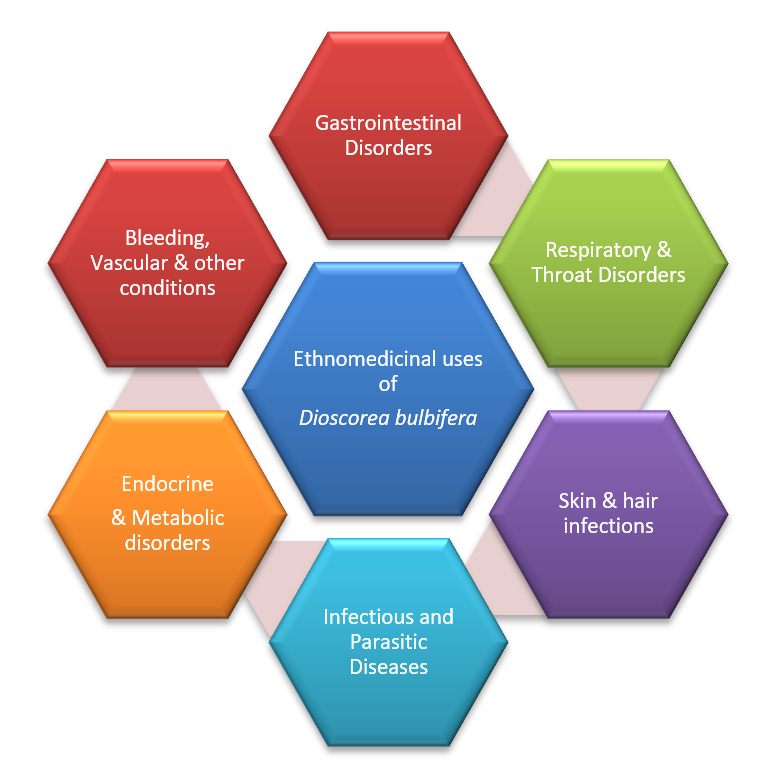
Figure 1: Schematic diagram of ethnomedicinal uses of D. bulbifera against different categories of diseases
Phytochemical profile
The biological effects of D. bulbifera are likely due to the combined activity of multiple phytochemicals rather than a single compound (Ghosh et al., 2015). Phytochemical studies have identified flavonoids, phenolics, steroids, saponins, tannins, terpenoids, alkaloid-like compounds, reducing sugars and carbohydrates. Flavonoids and phenolics may contribute to antioxidant, anti-inflammatory, enzyme-inhibitory and glucose-regulatory effects, while steroidal constituents may influence lipid metabolism, inflammation, oxidative stress and other metabolic pathways. Saponins have also been associated with antioxidant, anti-inflammatory, hypolipidaemic and glucose-regulatory activities, potentially affecting carbohydrate digestion, glucose absorption, insulin signalling and lipid metabolism (El-Haddad et al., 2025). Tannins may contribute to antioxidant and digestive enzyme-inhibitory effects, although high concentrations may reduce nutrient availability and palatability. This chemical diversity may support multi-target pharmacological effects, but the precise contribution of individual compounds remains unclear.
Pharmacological evidence concerning diabetes
Inhibition of Carbohydrate-Digesting Enzymes: α-Amylase and α-glucosidase are key enzymes in carbohydrate digestion and their inhibition can delay glucose release and reduce postprandial hyperglycaemia. D. bulbifera extracts have demonstrated inhibitory activity against these enzymes, with ethyl acetate extract showing 99.6% inhibition of α-glucosidase and 73.39% of α-amylase, while diosgenin-containing extracts showed inhibition of 82.64 ± 2.32% and 72.06 ± 0.51%, respectively (Ghosh et al., 2012; Ghosh et al., 2014). This may be potentially due to phenolics, flavonoids, tannins and related compounds. However, in vitro enzyme inhibition does not necessarily predict efficacy in humans because effective concentrations and bioavailability may differ.
Anti-Hyperglycaemic Effects: Experimental studies suggest that D. bulbifera preparations may reduce elevated blood glucose through mechanisms such as reduced intestinal glucose availability, improved glucose utilisation, modulation of hepatic glucose metabolism and enhanced insulin activity. Aqueous tuber extracts have also shown antihyperglycaemic effects in diabetic mice and rats, with a 500 mg/kg dose producing marked effects after six weeks (Ahmad et al., 2009). Comparisons among studies are limited by differences in plant parts, extraction methods, doses, treatment duration and experimental models.
Antioxidant Effects: Oxidative stress contributes to diabetes and its complications by promoting cellular and tissue damage. The phenolic and flavonoid constituents of D. bulbifera may help reduce oxidative stress by scavenging reactive oxygen species and supporting endogenous antioxidant defences (Kundu et al., 2021). However, the direct contribution of these effects to glycaemic control remains uncertain.
Anti-Inflammatory Effects: Chronic inflammation is associated with insulin resistance and diabetic complications. Flavonoids, phenolics, saponins and steroidal compounds in D. bulbifera may modulate inflammatory pathways and potentially improve metabolic function (Mbiantcha et al., 2011). Further research is needed to establish whether these effects occur at physiologically relevant concentrations and provide meaningful clinical benefits.
Possible mechanisms of antidiabetic action
The potential antidiabetic effects of D. bulbifera may involve multiple complementary mechanisms. Inhibition of α-amylase and α-glucosidase can delay carbohydrate digestion and reduce postprandial glucose absorption, supporting this mechanism. In addition, polyphenols and steroidal compounds may influence glucose utilisation and insulin signalling, while antioxidant and anti-inflammatory activities could help protect pancreatic β-cells and improve metabolic function. However, evidence for these molecular effects and their clinical relevance remains limited.
Safety and toxicological considerations
Although D. bulbifera has been traditionally consumed, this does not mean that every preparation, dose, or extraction method is safe. Raw or improperly prepared D. bulbifera may contain toxic furanoid diterpenoids, particularly diosbulbins B and D, which have been associated with liver and kidney injury and gastrointestinal toxicity (Min et al., 2011). Poisoning may cause nausea, vomiting, abdominal pain, diarrhoea, excessive salivation and burning of the mouth and throat, while severe cases may involve respiratory difficulty, organ impairment, coma, or death. Wild strains may also contain varying levels of alkaloids, saponins and tannins. Safety depends on factors such as the plant part used, preparation method, concentration, duration of use, individual susceptibility and possible drug interactions. Therefore, further studies are needed to assess its acute and chronic toxicity, effects on the liver and kidneys and potential interactions with antidiabetic medicines. Based on current preclinical evidence, D. bulbifera should not be considered a replacement for prescribed diabetes treatment.
Limitations of current evidence
Despite promising experimental findings, the clinical efficacy of Dioscorea bulbifera remains uncertain. Major limitations include the lack of standardised preparations, limited understanding of molecular mechanisms and the predominance of preclinical studies with few well-designed human trials. Variations in plant origin, growing conditions, maturity, processing and extraction methods may also affect phytochemical composition and activity. Additionally, limited pharmacokinetic data and long-term safety studies hinder assessment of its therapeutic potential. Further standardised, clinical, pharmacokinetic and long-term toxicity studies are therefore needed.
Future research perspectives
Future research should focus on rigorous pharmacological and clinical validation. Key priorities include developing standardised extracts, identifying active antidiabetic compounds and clarifying their molecular mechanisms. Animal studies should assess glucose control, insulin sensitivity, lipid profiles and organ safety. Most importantly, well-designed human clinical trials are needed to determine effective doses, pharmacokinetics, safety, drug interactions and clinically meaningful outcomes such as glucose and HbA1c levels.
Conclusion
Dioscorea bulbifera is a promising medicinal and nutritional plant for diabetes research. Studies have identified several bioactive compounds, including flavonoids, phenolics, saponins, steroids, tannins and terpenoids, which may contribute to its antioxidant, anti-inflammatory, glucose-regulating and enzyme-inhibitory effects. However, most evidence comes from laboratory and animal studies and strong clinical evidence in humans is still lacking. Therefore, D. bulbifera should be considered a promising candidate for further research, not an established diabetes treatment. Future studies should focus on standardised extracts, active compounds, safety, mechanisms and well-designed human clinical trials.
References
Ahmed Z, Chishti MZ, Johri RK, Bhagat A, Gupta KK and Ram G. (2009). Antihyperglycemic and antidyslipidemic activity of aqueous extract of Dioscorea bulbifera tubers. Diabetologia Croatica. 38(3): 63-72.
Chawla A, Chawla R and Jaggi S. (2016). Microvasular and macrovascular complications in diabetes mellitus: distinct or continuum?. Indian Journal of Endocrinology and Metabolism. 20(4): 546-551.
El-Haddad AE, Abd El-Al MS, Teleb M and Farag MA. (2025). Antidiabetic action mechanisms of saponins via gut digestive enzymes inhibition and microbiota interaction, a comprehensive review and in silico docking to improve efficacy. European Journal of Medicinal Chemistry. 302(Pt 1): 118282. DOI: 10.1016/j.ejmech.2025.118282
Garcia GU, Benito-Vicente A, Jebari S, Larrea-Sebal A, Siddiqi H, Uribe KB, Ostolaza H and Martín C. (2020). Pathophysiology of type 2 diabetes mellitus. International Journal of Molecular Sciences. 21(17): 6275. DOI: 10.3390/ijms21176275
Ghosh S, Ahire M, Patil S, Jabgunde A, Bhat Dusane M, Joshi BN, Pardesi K, Jachak S, Dhavale DD and Chopade BA. (2012). Antidiabetic activity of Gnidia glauca and Dioscorea bulbifera: potent amylase and glucosidase inhibitors. Evidence‐Based Complementary and Alternative Medicine. 2012(1): 929051. DOI: 10. 1155/2012/929051
Ghosh S, More P, Derle A, Patil AB, Markad P, Asok A, Kumbhar N, Shaikh ML, Ramanamurthy B, Shinde VS and Dhavale DD. (2014). Diosgenin from Dioscorea bulbifera: novel hit for treatment of type II diabetes mellitus with inhibitory activity against α-amylase and α-glucosidase. PloS one. 9(9): e106039. DOI: 10.1371/journal.pone.0106039
Ghosh S, Parihar VS, More P, Dhavale DD and Chopade BA. (2015). Phytochemistry and therapeutic potential of medicinal plant: Dioscorea bulbifera. Medicinal Chemistry. 5(4): 160-172.
Gieroba B, Kryska A and Sroka-Bartnicka A. (2025). Type 2 diabetes mellitus-conventional therapies and future perspectives in innovative treatment. Biochemistry and Biophysics Reports. 42: 102037. DOI: 10.1016/j.bbrep.2025.102037
Haines HH. (1924). The Botany of Bihar and Orissa, Volume 3, Part 6. Allard and Son and West Newman Limited, London, United Kingdom.
Kumar S. (2025). Data collection from literature for biological sciences, medicinal plants research, ethnobotany and pharmacology: a methodological overview. Journal of Biodiversity and Conservation. 9(2): 167-169.
Kundu BB, Vanni K, Farheen A, Jha P, Pandey DK and Kumar V. (2021). Dioscorea bulbifera L. (Dioscoreaceae): a review of its ethnobotany, pharmacology and conservation needs. South African Journal of Botany. 140: 365-374.
Manjula BL, Kumar A, Sahu JK, Dash SS and Kumar S. (2022). Yam. Ambika Prasad Research Foundation, Odisha, India.
Mathew E, Thomas PL and Mathew L. (2026). Dioscorea bulbifera: phytotherapeutic potential and toxicological risks, a critical review. Planta Medica. 92(8): 760-773.
Mbiantcha M, Kamanyi A, Teponno RB, Tapondjou AL, Watcho P and Nguelefack TB. (2011). Analgesic and anti‐inflammatory properties of extracts from the bulbils of Dioscorea bulbifera L. var sativa (Dioscoreaceae) in mice and rats. Evidence‐Based Complementary and Alternative Medicine. 2011(1): 912935. DOI: 10.1155/2011/912935
Min MA, Jiang ZZ, Jin-Lan RU and Zhang LY. (2011). Toxicity of a diterpene lactone isolated from Dioscorea bulbifera on hepatocytes. Chinese Journal of Natural Medicines. 9(4): 280-285.
Narzary C, Sarkar D, Das P and Papi D. (2025). Ethnobotany, phytochemistry, and pharmacological activity of Dioscorea bulbifera: a comprehensive review. Chemistry & Biodiversity. 22(1): e202401408. DOI: 10.1002/cbdv.202401408
Sahu JK, Sureshrao A, Majhi S, Dimri R, Sharma BP, Tailor V, Kumar S and Patra A. (2026). Methodology for writing review articles in biological sciences: a systematic and scholarly guide. Archives of Current Research International. 26(2): 170-182.
Saisho Y. (2015). β-cell dysfunction: Its critical role in prevention and management of type 2 diabetes. World Journal of Diabetes. 6(1): 109. DOI: 10.4239/wjd.v6.i1.109
Salehi B, Sener B, Kilic M, Sharifi-Rad J, Naz R, Yousaf Z, Mudau FN, Fokou PV, Ezzat SM, El Bishbishy MH, Taheri Y, Lucariello G, Durazzo A, Lucarini M, Suleria HAR and Santini A. (2019). Dioscorea plants: a genus rich in vital nutra-pharmaceuticals – a review. Iranian Journal of Pharmaceutical Research. 18(Suppl1): 68-89.
Tola MA, Ibrahim F, Melak H, Tafesse T, Alemayehu M and Nigussie G. (2023). Traditional herbal remedies in the management of metabolic disorders in Ethiopia: a systematic review of ethnobotanical studies and pharmacological activities. Evidence‐Based Complementary and Alternative Medicine. 2023(1): 1413038. DOI: 10.1155/2023/1413038

Dedicated to advancing biodiversity conservation and the sustainable management of natural resources for current and future generations.
Copyright © 2026 Journal of Biodiversity And Conservation || Designed By Antler’s Solution