
Journal of Biodiversity and Conservation 10(3): 35-42
2026
ISSN: 2457-0761 (online)
Bhagwati Prashad Sharma1* and Sumit Chouhan2
1Department of Botany, Sidharth Government College, Nadaun, Himachal Pradesh, India
2Regional Research Institute of Unani Medicine (Central Council Research of Unani Medicine New Delhi), Bhadrak, Odisha, India
*Email-id: bp76sharma@gmail.com; ORCID: https://orcid.org/0000-0002-8134-9807
DOI: https://doi.org/10.5281/zenodo.21485843
Article Details: Received: 2026-06-16 | Accepted: 2026-07-22 | Available online: 2026-07-23
Licensed under a Creative Commons Attribution 4.0 International License
Abstract: Nepenthes khasiana Hook.f., the only pitcher plant species native to India, is an endangered carnivorous plant endemic to the Khasi, Jaintia, and Garo Hills of Meghalaya. Owing to its unique carnivorous adaptation, ecological significance, ethnomedicinal value and conservation status, the species has attracted considerable scientific attention over the past two decades. This review synthesizes recent advances in research on N. khasiana, encompassing molecular biology, genomics, transcriptomics, metabolomics, phytochemistry, evolutionary biology, microbial diversity, tissue culture and nanobiotechnology. Recent studies have elucidated the genetic mechanisms underlying pitcher development, digestive enzyme production and defense responses, while complete chloroplast and mitochondrial genome sequencing has provided valuable genomic resources for evolutionary and conservation studies. Investigations into phytochemical constituents, particularly naphthoquinones, have revealed their multifunctional roles in pollination, carnivory and antimicrobial defense. Additionally, advances in in vitro propagation and molecular characterization have strengthened strategies for ex situ conservation and sustainable utilization. Emerging research on endophytic fungi and green synthesis of nanoparticles further highlights the species’ ecological and biotechnological potential. Despite these significant achievements, habitat degradation and anthropogenic pressures continue to threaten natural populations, emphasizing the need for integrated conservation efforts. Present study provides a comprehensive account of the scientific progress on N. khasiana and identifies future research directions to support its conservation and sustainable utilization.
Keywords: Carnivorous plant, conservation, phytochemistry, pitcher plant
Introduction
Nepenthes khasiana is commonly known as the Indian pitcher plant (Figure 1), is the only species of the genus Nepenthes naturally occurring in India (Konhar et al., 2025). It is endemic to the Khasi, Jaintia and Garo Hills of Meghalaya in northeastern India, where it inhabits nutrient-poor, acidic soils of open grasslands, forest margins and rocky hill slopes under humid tropical conditions (Mao and Kharbuli, 2002). To compensate for the scarcity of essential nutrients, particularly nitrogen and phosphorus, the species has evolved a remarkable carnivorous adaptation in which modified leaf structures form specialized pitchers that trap and digest insects and other small organisms. This unique adaptation has made N. khasiana (Figure 1) one of the most fascinating model plants for studying plant evolution, developmental biology, ecological interactions and nutrient acquisition strategies. Despite its ecological significance, N. khasiana faces severe threats due to habitat destruction, overcollection for ornamental trade and changing climatic conditions. These anthropogenic pressures have resulted in a rapid decline of natural populations, leading to its recognition as an endangered species. Consequently, the species has been included in Schedule VI of the Indian Wildlife (Protection) Act, 1972 (as amended) and is listed under Appendix I of the Convention on International Trade in Endangered Species of Wild Fauna and Flora (CITES), providing it with the highest level of legal protection against commercial exploitation. The conservation of N. khasiana has therefore become a priority for biodiversity management in India (Konhar et al., 2025). Over the past two decades, research on N. khasiana has expanded considerably from traditional taxonomic and ecological investigations to advanced molecular, genomic, transcriptomic, metabolomic, and biotechnological studies (Bhau et al., 2009). Molecular investigations have revealed the genetic diversity and evolutionary relationships of the species, while recent chloroplast and mitochondrial genome sequencing has provided valuable genomic resources for phylogenetic and conservation studies. Transcriptomic and metabolomic analyses have elucidated the molecular mechanisms regulating pitcher development, nutrient sensing and carnivory. Likewise, studies on digestive enzymes, chitinase genes, and antimicrobial compounds have enhanced our understanding of prey digestion and defense mechanisms operating within the pitcher ecosystem. The species has also attracted increasing attention due to its rich phytochemical profile. Bioactive compounds such as naphthoquinones have been reported to exhibit antimicrobial, antifungal, antioxidant and other pharmacologically important properties. Recent investigations have further demonstrated the functional distribution of these metabolites between reproductive and carnivorous organs, suggesting their dual roles in pollination and prey capture (Lathika et al., 2026). In addition, N. khasiana has emerged as a promising biological resource for green nanotechnology through the eco-friendly synthesis of gold nanoparticles with potential biomedical applications (Dhamecha et al., 2016). Significant progress has also been achieved in the development of conservation strategies. Efficient in vitro propagation protocols now facilitate large-scale multiplication of this endangered species, while studies on endophytic fungal diversity have expanded our understanding of plant–microbe interactions and their possible contributions to plant health, adaptation and survival. Collectively, these multidisciplinary studies have considerably advanced our knowledge of the biology, ecology, evolution and applied potential of N. khasiana. Although several individual studies have documented specific aspects of the species, a comprehensive synthesis of recent scientific developments is still lacking.
Present study aims to compile and critically evaluate the latest advances in research on Nepenthes khasiana, including its molecular biology, genomics, evolutionary history, phytochemistry, microbial associations, biotechnology and conservation.
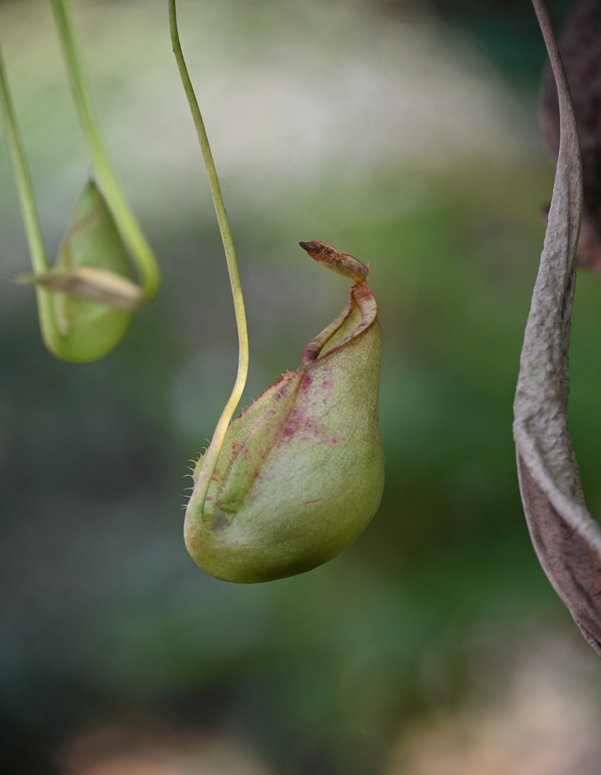
Figure 1: Vegetative parts of N. khasiana
Methodology
This review was prepared through a comprehensive survey of published scientific literature on Nepenthes khasiana Hook.f. Relevant articles were retrieved from major electronic databases, including Web of Science, Scopus, PubMed, Google Scholar, CrossRef and ResearchGate, using keywords such as “Nepenthes khasiana“, “Indian pitcher plant”, “carnivorous plant”, “genomics”, “transcriptomics”, “phytochemistry”, “conservation”, “tissue culture” and “biotechnology”. Peer-reviewed research articles, review papers and authenticated reports published between 2006 and 2026 were critically examined. Information related to taxonomy, ecology, molecular biology, genomics, metabolomics, phytochemistry, microbial diversity, tissue culture, evolutionary studies and conservation was extracted, compared, and synthesized to provide a comprehensive overview of recent scientific advances (Sahu et al., 2026). Duplicate records and studies lacking scientific validity or sufficient experimental evidence were excluded to ensure the reliability and accuracy of the review.
Results and discussion
Recent scientific investigations have considerably expanded the understanding of Nepenthes khasiana Hook.f., revealing important aspects of its molecular biology, evolution, physiology, ecology, conservation and biotechnological potential (Table 1). Earlier molecular studies employed RAPD and ISSR markers to evaluate genetic diversity among natural populations and demonstrated substantial genetic variation, providing valuable information for conservation and management of this endangered species. Subsequent phylogenetic analyses further suggested that the genus Nepenthes originated on the Indian subcontinent before dispersing to Southeast Asia during the Miocene epoch, highlighting the evolutionary significance of N. khasiana (Table 1). Advances in molecular biology have greatly improved our understanding of the carnivorous adaptations of N. khasiana. Isolation and characterization of chitinase genes confirmed their involvement in prey digestion and plant defense (Table 1). Transcriptomic studies further demonstrated the expression of numerous digestive enzyme-encoding genes within pitcher tissues and suggested that pitcher evolution resulted from modifications in leaf polarity gene expression (Table 1). More recently, integrated transcriptomic and metabolomic analyses revealed that nutrient availability regulates pitcher formation through coordinated changes in gene expression and metabolic pathways, providing new insights into the developmental mechanisms underlying carnivory (Table 1). Genomic research has reached a significant milestone with the publication of the first complete chloroplast and mitochondrial genomes of N. khasiana. These genomic resources provide an important foundation for future studies on molecular evolution, phylogeny, comparative genomics, genetic improvement and conservation genetics. Such information is expected to facilitate the development of molecular markers and strengthen conservation programs for this threatened species (Table 1). Phytochemical investigations have demonstrated that N. khasiana synthesizes a diverse range of bioactive compounds with important ecological and pharmacological functions. Studies on pitcher fluid chemistry revealed inducible production of antifungal naphthoquinones in response to pathogen attack, indicating an efficient chemical defense mechanism. Recent research further established that naphthoquinones are differentially distributed between reproductive and carnivorous organs, suggesting distinct functional roles in pollination and prey capture.
These findings not only improve the understanding of plant chemical ecology but also highlight the pharmaceutical potential of these secondary metabolites (Tabe 1). Microbial studies have shown that the pitchers of N. khasiana harbour diverse microbial communities, predominantly fungi, which may contribute to nutrient cycling, prey decomposition and maintenance of pitcher health. Investigations on endophytic fungal diversity further revealed numerous fungal taxa associated with healthy plant tissues, indicating their possible roles in plant growth, adaptation, stress tolerance and disease resistance. These studies emphasize that the pitcher ecosystem represents a complex interaction between the host plant and associated microorganisms (Table 1). The application potential of N. khasiana has also expanded significantly in recent years. Plant extracts have successfully been utilized for the green synthesis of stable and biocompatible gold nanoparticles, demonstrating promising biomedical applications while promoting environmentally sustainable nanotechnology. Simultaneously, efficient in vitro propagation protocols have enabled rapid multiplication of healthy plantlets, providing practical tools for ex situ conservation, habitat restoration and commercial cultivation, thereby reducing collection pressure on wild populations (Table 1). Despite these remarkable scientific advances, N. khasiana continues to face serious conservation challenges due to habitat degradation, illegal collection, land-use changes and climate change. Although molecular and biotechnological studies have substantially enhanced current knowledge, long-term ecological monitoring, population genetics, reproductive biology, metabolomic diversity and climate resilience remain insufficiently explored. Future multidisciplinary research integrating genomics, functional biology, conservation ecology and biotechnology will be essential for ensuring the sustainable conservation and utilization of this unique endemic carnivorous plant (Table 1).
Table 1: Scientific advances in N. khasiana
Year | Source | Important findings |
2006 | Eilenberg et al. | Isolated and characterized chitinase genes from the pitchers of Nepenthes khasiana, demonstrating their role in prey digestion and plant defense. |
2009 | Bhau et al. | Used RAPD and ISSR markers to reveal substantial genetic diversity among natural populations, providing valuable information for conservation planning. |
2010 | Eilenberg et al. | Demonstrated induced production of antifungal naphthoquinones in pitchers in response to fungal infection, highlighting an effective chemical defense mechanism. |
2016 | Dhamecha et al. | Demonstrated the green synthesis of stable and biocompatible gold nanoparticles using N. khasiana extracts, suggesting potential biomedical applications. |
2018 | Biswal et al. | Revealed that Nepenthes likely originated on the Indian subcontinent and later colonized Southeast Asia during the Miocene epoch, providing new insights into the evolutionary history of the genus. |
2020 | Dkhar et al. | Showed that pitchers express multiple digestive enzyme genes, harbor predominantly fungal communities and likely evolved through modifications in leaf polarity gene expression. |
2021 | Naseem & Kayang | Documented a rich diversity of endophytic fungi associated with N. khasiana, highlighting their ecological importance in plant health and adaptation. |
2022 | Joshi et al. | Developed an efficient in vitro micropropagation protocol for large-scale multiplication and conservation of this endangered carnivorous plant. |
2024 | Dkhar et al. | Revealed that nutrient availability regulates pitcher formation through transcriptomic and metabolomic changes, providing new insights into pitcher development. |
2025 | Konhar et al. | Reported the first complete chloroplast and mitochondrial genomes of N. khasiana, providing essential genomic resources for evolutionary and conservation studies. |
2026 | Lathika et al. | Demonstrated the functional distribution of naphthoquinones between reproductive and carnivorous organs, indicating distinct roles in pollination and prey capture. |
Conclusion and research gaps
Nepenthes khasiana Hook.f., is an ecologically, evolutionarily and pharmacologically important carnivorous plant that represents India’s only indigenous species of the genus Nepenthes. Over the past two decades, substantial scientific progress has enhanced our understanding of its genetic diversity, evolutionary history, pitcher development, digestive physiology, phytochemistry, microbial associations and biotechnological applications. Advances in genomics, transcriptomics, metabolomics, tissue culture and nanobiotechnology have established N. khasiana as a valuable model for studying plant adaptation to nutrient-deficient environments and have provided important tools for its conservation. The availability of complete organellar genome sequences and efficient in vitro propagation techniques has further strengthened the prospects for molecular breeding, conservation genetics and sustainable utilization of this endangered species. Despite these significant achievements, several research gaps remain. Most investigations have been conducted under controlled laboratory conditions, whereas long-term ecological and population-based studies in natural habitats are limited.
Comprehensive analyses of reproductive biology, pollination ecology, seed biology and climate change resilience are still lacking. Functional validation of genes associated with carnivory, nutrient acquisition, stress tolerance and secondary metabolite biosynthesis requires advanced molecular approaches such as genome editing and functional genomics. In addition, the interactions among pitcher-associated microorganisms, plant metabolism and prey digestion remain insufficiently understood. The pharmacological potential of bioactive compounds identified from N. khasiana also requires further in vivo studies, toxicity evaluations, and clinical validation before therapeutic applications can be realized. Future research should adopt multidisciplinary approaches integrating genomics, metabolomics, microbiome analysis, conservation biology and biotechnology to address these knowledge gaps. Strengthening both in situ and ex situ conservation programs, coupled with habitat restoration, population monitoring and community participation, will be essential for safeguarding this unique endemic species. Continued scientific exploration will not only contribute to the conservation of N. khasiana but also unlock its potential in plant biology, biotechnology and pharmaceutical research, ensuring that this remarkable carnivorous plant remains an invaluable component of India’s botanical heritage.
References
Bhau BS, Medhi K, Sarkar T and Saikia SP. (2009). PCR based molecular characterization of Nepenthes khasiana Hook. f.—pitcher plant. Genetic Resources and Crop Evolution. 56(8): 1183–1193.
Biswal DK, Debnath M, Konhar R, Yanthan S and Tandon P. (2018). Phylogeny and Biogeography of Carnivorous Plant Family Nepenthaceae with Reference to the Indian Pitcher Plant Nepenthes khasiana Reveals an Indian Subcontinent Origin of Nepenthes Colonization in South East Asia During the Miocene Epoch. Front. Ecol. Evol. 6:108. https://doi.org/10.3389/fevo.2018.00108
Dhamecha D, Jalalpure S and Jadhav K. (2016). Nepenthes khasiana mediated synthesis of stabilized gold nanoparticles: Characterization and biocompatibility studies. Journal of Photochemistry and Photobiology. B, Biology. 154: 108–117. https://doi.org/10.1016/j.jphotobiol.2015.12.002
Dkhar J, Bagri J, Dhiman K and Pareek A. (2024). Transcriptomic and metabolomic responses to varying nutrient conditions reveal new insights into pitcher formation in Nepenthes khasiana. Physiologia Plantarum. 176(3): e14361. https://doi.org/10.1111/ppl.14361
Dkhar J, Bhaskar YK, Lynn A and Pareek A. (2020). Pitchers of Nepenthes khasiana express several digestive-enzyme encoding genes, harbor mostly fungi and probably evolved through changes in the expression of leaf polarity genes. BMC Plant Biology. 20(1), 524. https://doi.org/10.1186/s12870-020-02663-2
Eilenberg H, Pnini-Cohen S, Rahamim Y, Sionov E, Segal E, Carmeli S and Zilberstein A. (2010). Induced production of antifungal naphthoquinones in the pitchers of the carnivorous plant Nepenthes khasiana. Journal of Experimental Botany. 61(3): 911–922. https://doi.org/10.1093/jxb/erp359
Eilenberg H, Pnini-Cohen S, Schuster S, Movtchan A and Zilberstein A. (2006). Isolation and characterization of chitinase genes from pitchers of the carnivorous plant Nepenthes khasiana. Journal of Experimental Botany. 57(11): 2775–2784. https://doi.org/10.1093/jxb/erl048
Joshi B, Panwar GS and Singh SK. (2022). In vitro propagation of insectivorous plant Nepenthes khasiana Hook. f.—An endangered ornamental and ethnomedicinal species. Vegetos. 35(2): 387–396. https://doi.org/10.1007/s42535-021-00310-1
Konhar R, Dash D and Biswal DK. (2025). First report of the chloroplast and mitochondrial genomes of the Indian pitcher plant, Nepenthes khasiana Hook. f. BMC Research Notes. 18(1): 45. https://doi.org/10.1186/s13104-025-07082-w
Lathika CC, Sujatha GB, Sabulal N, Johnson AJ, Viswanathan G, Remadevi RKS, Shereefa LA and Baby S. (2026). Pollination versus carnivory: functional distribution of naphthoquinones in Nepenthes khasiana. Plant Biology (Stuttgart, Germany). 28(2): 461–467. https://doi.org/10.1111/plb.70146
Mao AA and Kharbuli P. (2002). Distribution and status of Nepenthes khasiana Hook. F.—a rare endemic pitcher plant of Meghalaya, India. Phytotaxonomy. 2: 77–83.
Naseem F and Kayang H. (2021). Endophytic fungal diversity of endemic carnivorous plant Nepenthes khasiana in Meghalaya, India. Studies in Fungi. 6(1): 138−150.
Sahu JK, Sureshrao A, Majhi S, Dimri R, Sharma BP, Tailor V, Kumar S and Patra A. (2026). Methodology for Writing Review Articles in Biological Sciences: A Systematic and Scholarly Guide. Archives of Current Research International. 26(2): 170-182.

Dedicated to advancing biodiversity conservation and the sustainable management of natural resources for current and future generations.
Copyright © 2026 Journal of Biodiversity And Conservation || Designed By Antler’s Solution