
Journal of Biodiversity and Conservation 10(3): 20-27
2026
ISSN: 2457-0761 (online)
Sumit Chouhan1, Sanjeet Kumar2 and Rajkumari Supriya Devi2*
1Regional Research Institute of Unani Medicine (Central Council Research of Unani Medicine New Delhi), Bhadrak, Odisha, India
2Ambika Prasad Research Foundation, Odisha, India
*Email-Id: supriyark91@gmail.com; ORCID: https://orcid.org/0000-0003-2537-6656
DOI: https://doi.org/10.5281/zenodo.21483710
Article Details: Received: 2026-07-07 | Accepted: 2026-07-22 | Available online: 2026-07-23
Licensed under a Creative Commons Attribution 4.0 International License
Abstract: Tacca leontopetaloides (L.) Kuntze, is a neglected yet valuable tropical plant recognized for its ecological adaptability, ethnomedicinal importance, and potential as an alternative food source. Although widely distributed across tropical Asia, Africa, and the Pacific Islands, the species remains poorly documented in comparison with other medicinal plants. Present study synthesizes the published information on its taxonomy, habitat, morphology, traditional uses, phytochemistry, pharmacological properties, and ecological significance, supplemented with original field observations and photographic documentation from natural populations. Literature indicates that the tubers serve as an emergency food source after detoxification and are traditionally used for treating gastrointestinal disorders, wounds, and parasitic infections. Phytochemical investigations have revealed the presence of flavonoids, alkaloids, steroidal saponins, taccalonolides, terpenoids, and phenolic compounds with antimicrobial, antioxidant, antiparasitic, and anticancer activities. Ecologically, the species contributes to forest-floor biodiversity and survives seasonal drought through its underground tuber. Considering its nutritional value, medicinal potential, and resilience under changing climatic conditions, T. leontopetaloides deserves greater attention for conservation, sustainable utilization, and future pharmaceutical research.
Keywords: Anticancer compounds, biodiversity conservation, ethnobotany
Introduction
Neglected and underutilized plant species have increasingly attracted scientific attention because of their contributions to food security, biodiversity conservation, and traditional healthcare systems. Among these species, Tacca leontopetaloides is an important tropical herb distributed throughout Southeast Asia, the Pacific Islands, and parts of Africa. Despite its broad geographical distribution and diverse traditional applications, it remains poorly represented in scientific literature and conservation programs. The underground tubers of T. leontopetaloides (Figure 1) have historically served as an emergency food source after appropriate processing to remove naturally occurring toxic compounds. Indigenous communities have developed sophisticated methods for converting the tubers into starch and flour used in preparing porridge, cakes, noodles, puddings, and other traditional foods. Such practices highlight the species’ significance in enhancing food security during periods of drought, famine, and crop failure (Wardah and Ariani, 2020; Yonata et al., 2024). Similarly, ethnobotanical studies among the Bajo tribe of Indonesia have documented its cultural importance, where traditional knowledge related to harvesting and processing has been transmitted through generations (Lambera et al., 2026). In several African countries, the plant is recognized as a valuable famine food while its tubers and leaves are utilized in traditional medicine for treating gastrointestinal disorders and wound healing (Bondé et al., 2026). Recent phytochemical investigations have revealed remarkable chemical diversity within the genus Tacca, including steroidal saponins, flavonoids, phenolic compounds, glycosides, terpenoids, and the unique taccalonolides that possess significant anticancer activity (Jiang et al., 2014). Experimental studies have further demonstrated antimicrobial, antioxidant, antifungal, antiparasitic, and antitumor properties of different plant parts, indicating promising pharmaceutical applications (Khang et al., 2025; Agbo et al., 2025). Ecologically, T. leontopetaloides is adapted to tropical deciduous forests, particularly sal forests, where its underground tuber enables survival during prolonged dry seasons. It contributes to understory vegetation diversity and plays an important ecological role in maintaining forest-floor biodiversity. Despite these multiple benefits, habitat degradation, limited awareness, and inadequate scientific documentation continue to threaten its conservation and utilization. Therefore, a comprehensive synthesis of available information is essential to promote research, conservation, and sustainable utilization of this valuable but underutilized medicinal species.
Methodology
The present review was prepared through a comprehensive survey of published scientific literature, including peer-reviewed journal articles, ethnobotanical studies, pharmacological reports, and review papers cited in the reference list (Sahu et al., 2026). Information regarding taxonomy, morphology, habitat, ethnomedicinal uses, phytochemistry, pharmacological properties, and ecological significance was critically compiled, compared, and synthesized to provide an updated overview of the species. In addition to literature review, field surveys were conducted in tropical deciduous forest habitats of Odisha, India during 2025-2026 and natural populations of T. leontopetaloides were observed during the flowering season. Original photographs documenting the flowering plant, natural habitat, tuber morphology and scape characteristics were collected using a digital camera to support botanical identification and ecological observations. These field photographs complement the literature-based review and enhance understanding of the species in its natural environment.
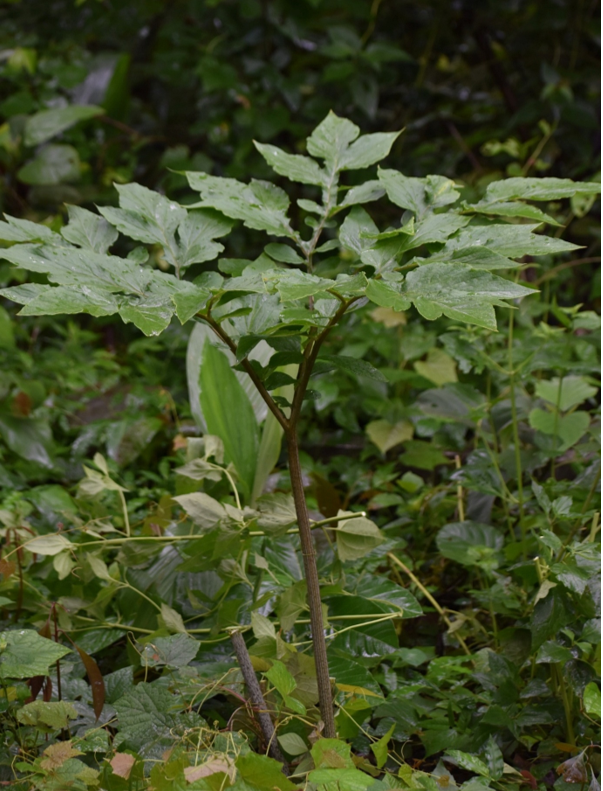
Figure 1: T. leontopetaloides in its habitat
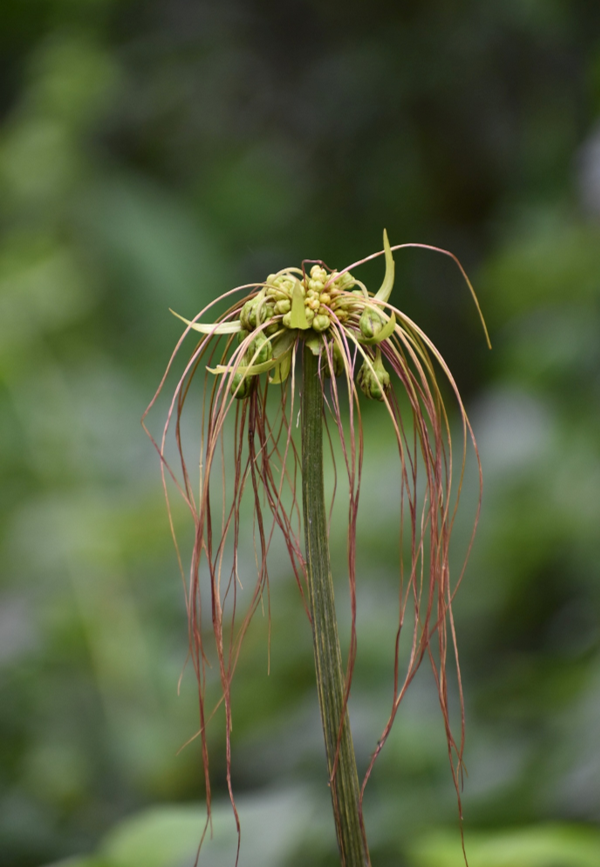
Figure 2: Flower of T. leontopetaloides
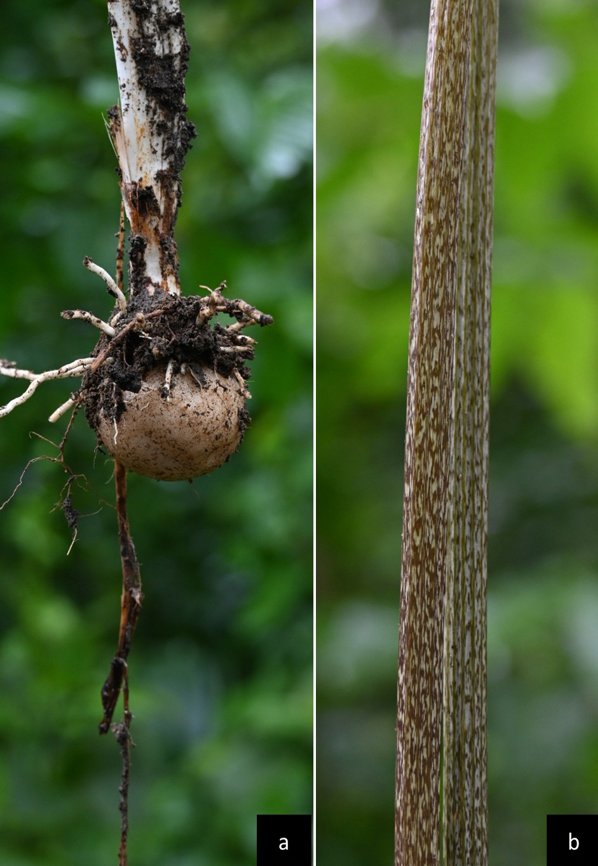
Figure 3: Globose tuber and straited scape of T. leontopetaloides
Results and discussion
The present review demonstrates that Tacca leontopetaloides (Figure 1-3) possesses considerable medicinal, nutritional, and ecological importance despite remaining one of the least explored tropical medicinal plants.
Morphology: It is a large herb with globose tuber up to 30 cm in diameter. The leaves are long petioled, circular in outline and 3-partite, 30-90 cm in diameter with segments variously and unequally pinnate. Scape is terete, hollow, straited and longer than the petioles. Flowers is 10-40, pedicelled, bracts are 4-12, oblong-lanceolate, unequal, acuminate, greenish and sometimes striped with purple and sometimes with two-lobed tip. Perianth fleshy, subglobose, greenish and lobes margin with purple (Figure 2).
Habitat: It is occasionally found on the forest floor of tropical deciduous forests, particularly in Sal forests. It grows in semi-shaded to moderately open understory habitats where the soil is well-drained, sandy to loamy and enriched with leaf litter. Its underground tuber enables it to withstand seasonal drought, allowing the plant to persist through the dry season and produce new shoots with the onset of the monsoon.
Ethnobotany: It is a neglected but significant nutraceutical plant species widely utilized by indigenous and coastal communities across Southeast Asia, the Pacific Islands and Africa. The underground tubers (Figure 3) are traditionally harvested, grated, repeatedly washed, and processed into starch or flour to remove naturally occurring bitter and toxic compounds before being used to prepare porridge, cakes, biscuits, noodles, puddings and other traditional foods, thereby serving as an important alternative staple during periods of food scarcity (Wardah and Ariani, 2020; Yonata et al., 2024). Among the Bajo tribe of Indonesia, the species, locally known as teo sweet potato, that plays a vital role in household food and cultural heritage, with traditional knowledge encompassing tuber collection, processing, and preparation methods passed down through generations (Lambera et al., 2026). In Burkina Faso and several African countries, local communities collect the wild tubers from savanna and woodland habitats as a seasonal food resource and recognize the plant as an important famine food that enhances resilience during drought and crop failure. The leaves are used for wrapping food and the tubers in traditional medicine to manage gastrointestinal disorders, wounds and other common ailments (Bondé et al., 2026).
Pharmacological uses: The genus Tacca is a rich source of structurally diverse bioactive compounds, particularly taccalonolides, which exhibit remarkable cytotoxic, antitumour, anti-inflammatory and antimicrobial activities. These highly oxygenated steroidal compounds stabilize microtubules through a mechanism distinct from other microtubule-targeting agents and have demonstrated promising anticancer potential in experimental studies (Jiang et al., 2014). In Tacca leontopetaloides, leaf extracts possess significant antibacterial and antifungal activities against a range of microbial pathogens and have been successfully applied as a natural preservative to reduce spoilage and extend the shelf life of fresh mangoes (Khang et al., 2025). Phytochemical screening of the leaf extracts revealed the presence of alkaloids, flavonoids, tannins, saponins, terpenoids, phenolic compounds and glycosides, with their abundance varying according to the extraction solvent. These metabolites contribute to the plant’s antimicrobial, antioxidant and preservative properties (Khang et al., 2025). Studies on the genus have further reported the occurrence of steroidal saponins, steroidal glycosides, withanolide-type steroids, diarylheptanoids, triterpenoids and polysaccharides, the remarkable chemical diversity of Tacca species (Jiang et al., 2014). Moreover, tuber extracts of T. leontopetaloides have exhibited significant antitrypanosomal and antileishmanial activities, which demonstrates their potential as a source of antiparasitic agents (Agbo et al., 2025). Ethnopharmacological investigations further recognize the species as a valuable bioresource with promising applications in traditional medicine, natural product research and future drug discovery (Mosissa, 2020).
Future Aspects: Although Tacca leontopetaloides has attracted increasing scientific interest, several research gaps remain.
Conclusion
Tacca leontopetaloides represents a highly valuable yet underutilized tropical medicinal and nutraceutical species possessing significant ethnobotanical, ecological, nutritional, and pharmacological importance. Traditional knowledge accumulated by indigenous communities demonstrates its long-standing role as both a food source and medicinal plant, while modern scientific studies increasingly validate its antimicrobial, antioxidant, antiparasitic, and anticancer properties. Its remarkable ecological adaptability, particularly its drought tolerance through underground tubers, further emphasizes its importance under changing climatic conditions. Nevertheless, limited scientific documentation, habitat degradation, and inadequate conservation efforts continue to restrict its wider utilization. Future multidisciplinary research integrating ethnobotany, phytochemistry, pharmacology, conservation biology and sustainable cultivation will be essential for realizing the full potential of this neglected plant and promoting its contribution to biodiversity conservation, food security, and novel drug discovery.
References
Agbo EO, Anyam JV, Agber CT, Adah CA, Agbo C, Ijeomah AO, Tor-Anyiin TA, Alkhalaf HE, Sarode A, Asseri JI, Gray AI, Igoli JO, De Koning HP. (2025). Antitrypanosomal and Antileishmanial Activities of Tacca leontopetaloides Tubers and Zanthoxylum zanthoxyloides stem bark. Molecules. 30(11): 2468.
Bondé L, Hien BS, Bougma PC, Da SS, Ouédraogo O and Boussim JI. (2026). Promoting local knowledge on Tacca leontopetaloides (L.) Kuntze, a neglected and underutilized wild food plant for enhancing food security. Ethnobotany Research and Applications. 33: 1–11.
Jiang JH, Yang HM, Wang YL and Chen YG. (2014). Phytochemical and Pharmacological Studies of the GenusTacca: A Review. Tropical Journal of Pharmaceutical Research. 13 (4): 635-648.
Khang TN Binh HT, Dao VTT, Thao LTT and Duy TT. (2025). Antibacterial and Antifungal Abilities of Tacca (Tacca leontopetaloides L. Kuntze) Leaf Extraction and its Application in Fresh Mango Preservation. International Journal of Agriculture and Biosciences 2025 14(4): 556-564.
Lambera WA, Solang M, Ahmad J, Lamanganjo CJ and Isra M. (2026). Ethnobotany of the teo sweet potato plant (Tacca leontopetaloides) as an alternative food for the Bajo tribe. Jurnal Biologi Tropis. 26(2): 1507-1514.
Sahu JK, Sureshrao A, Majhi S, Dimri R, Sharma BP, Tailor V, Kumar S and Patra A. (2026). Methodology for Writing Review Articles in Biological Sciences: A Systematic and Scholarly Guide. Archives of Current Research International. 26(2): 170-182.
Wardah and Ariani D. (2020) Ethnobotany study of Jalawure (Tacca leontopetaloides) as asource of nutrition quality improvement on the South Coastalpeople in West Java. Second International Conference on Sustainable Agriculture, IOP Conf. Series: Earth and Environmental Science 458(012047): 1-9.
Yonata D, Pranata B and Nurhidajah. (2024). Potential of neglected and underutilized tacca tuber (Tacca leontopetaloides) for sustainable food system in Indonesia. Journal of Global Innovations in Agricultural Sciences. 12(3): 770-778.

Dedicated to advancing biodiversity conservation and the sustainable management of natural resources for current and future generations.
Copyright © 2026 Journal of Biodiversity And Conservation || Designed By Antler’s Solution